| Title |
Citizens for a Responsible Central Utah Project, correspondence, 1979 |
| Description |
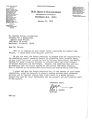
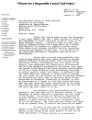
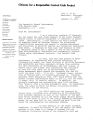
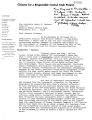
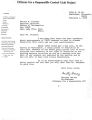
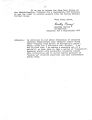
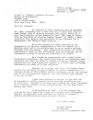
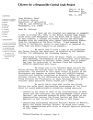
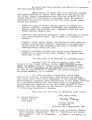
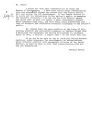
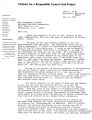
Dorothy Harvey correspondence for CRCUP, early 1977. From the The Dorothy Harvey papers (1902-2005), a collection of materials focusing on the Central Utah Project (CUP), a water resource development program to use Utah's alloted share of the Colorado River. Includes correspondence, Harvey's writing drafts and notes for an unpublished book on the CUP, federal documents, project litigation materials, subject files, news clippings, newsletters, programs, brochures, and maps. |
| Subject |
Central Utah Project; Strawberry Aqueduct; Rivers--Environmental aspects--Utah; Water resources development --Environmental aspects--Utah; Ute Indians--Claims; Water-supply--Utah--Salt Lake County |
| Creator |
Harvey, Dorothy |
| Contributor |
Citizens for a Responsible Central Utah Project |
| Additional Information |
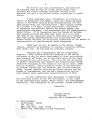
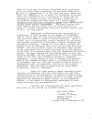
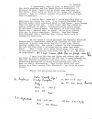
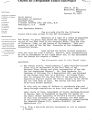
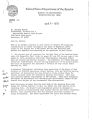
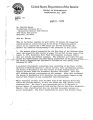
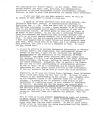
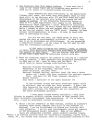
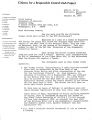
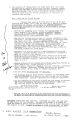
Includes: Answsers to questions [Harvey's account of CRCUP activities and problems]; Proposed procedure by Utah for resolving Ute Indian issues [i.e. claims in Uintah Basin] |
| Spatial Coverage |
Colorado River Basin (Colo.-Mexico); Uinta Mountains (Utah); Uinta Basin (Utah and Colo.); Uintah and Ouray Indian Reservation (Utah); Rock Creek (Duchesne County, Utah); Jordanelle Reservoir (Utah); White River (Colo. and Utah); Duchesne River (Utah); Salt Lake County (Utah); Duchesne County (Utah) |
| Collection Number and Name |
Accn2232 bx 57 fd 3; Dorothy Harvey papers |
| Rights Management |
Digital Image © 2010 University of Utah. All Rights Reserved. |
| Holding Institution |
J. Willard Marriott Library, University of Utah |
| Date |
1979 |
| Digitization Specifications |
Original scanned on Epson Expression 10000 XL and saved as 400 ppi TIFF. Display image generated in Contentdm. |
| Publisher |
Digitized by J. Willard Marriott Library, University of Utah |
| Type |
Text |
| ARK |
ark:/87278/s600012t |
| Setname |
wwdl_neh |
| ID |
1150980 |
| Reference URL |
https://collections.lib.utah.edu/ark:/87278/s600012t |
| Title |
Page 71 |
| Setname |
wwdl_neh |
| ID |
1150923 |
| OCR Text |
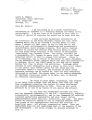
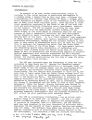
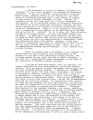
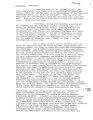
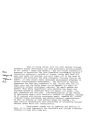
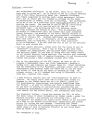
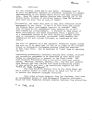
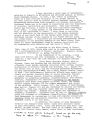
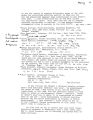
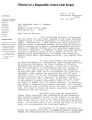
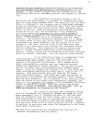
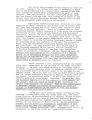
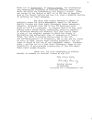
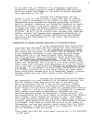
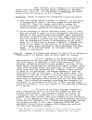
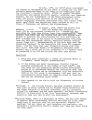
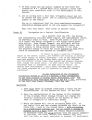
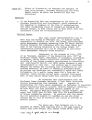
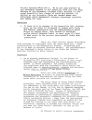
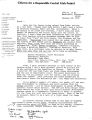
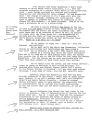
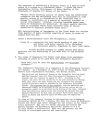
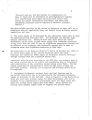
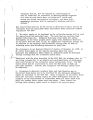
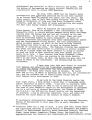
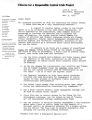
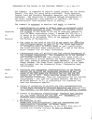
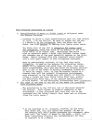
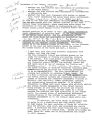
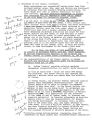
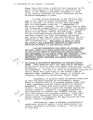
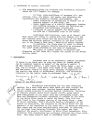
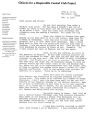
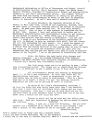
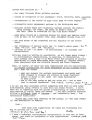
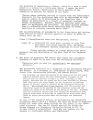
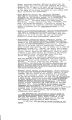
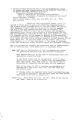
Show BREAKDOWN OF THE ISSUES IN THE PROPOSED COMPACT ( as I see it) The Compact is supposed to resolve issues between the Ute Tribal Council (the only Ute group being consulted), State Agencies, Federal Land and Resource Managment Agencies, and Uintah Basin residents. The resolution is proposed through presentation to the State legislature, with approval of Interior, and final "authorization" from Congress which is binding. The compact is supposed to resolve: and ought to resolve: a. Quantification of water to Tribal lands as obligated under the Winters Doctrine of 1908. Although the Doctrine states Supposed the purpose of the water to be one of enabling Indians to live on their reservation lands, I assume the 258,900 a f to of water to be allocated the Tribe is based on the amount of lands to be irrigated. This is the purpose stated by Resolve the Bureau of Reclamation. b. The issue of the need of the CUP as the means for pr/oviding this allocated water, or part of it. The State used^supply of irrigation water to Tribal lands as part justification for their proposed State construction of a dam on the White River "needed" for oil shale development. c. Jurisdiction over all wildlife and fish within boundaries of the original reservation. The boundaries up to the Wyoming and Colorado borders and onto mineral rich lands south of the Reservation include Wasatch and Ashley National Forests, BLM land, possibly Dinosaur National Monument , the Uinta Range streams, the Green River (possibly parts of the Yampa and Colorado) and the Strawberry River. (Boundaries need verification) Ought d. Conflicts over management responsibilities of the Forest Service for wildlife and recreation resources as well as to those of the BLM under the Multiple Use Act and the BLM Organic Act of 1977. These Agencies manage the habitat Resolve and riparian ecosystems. They are responsible for all habitat requirements - not just for huntable species. The Fish & Wildlife Service (U.S.) is responsible for migratory and Rare and Endangered species. e. Issues of usurpation of wildife and fish responsibilities of the State Division1of Wildlife Resources and loss of economic benefits to the State from hunting and fishing licenses. f. Issues of wilderness classification, Roadless Area Reviews for the Forest Service and the BLM, and "management" of wildlife under wilderness conditions. g...AAlltt ernatives to CUP .Exemptions from Environmental laws and regulations and Administrative Directives on Tribal lands. .Alternatives to allow benefits to Ute Tribe from sale of hunting and fishing licenses if this is feasible. |
| Reference URL |
https://collections.lib.utah.edu/ark:/87278/s600012t/1150923 |