| OCR Text |
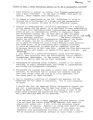
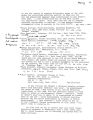
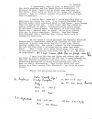
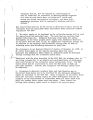
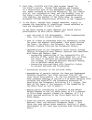
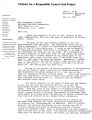
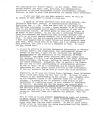
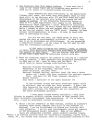
Show Problems, continued All the entities using and to use water. Workshops need to be held for different purposes at different locations to explain implementation of the Carter V/ater Policy and laws obligating this. When 208 Water Quality Studies were carried out in the Uintah Basin, studies of pollution impacts from CUP development were not done "due to lack of funds". (Ultimately, the State will have to deal with efficient water management by the State. It won't do this until and unless the Federal water development hand-out is stopped. Most Utah citizens do not understand this, believe it, or will work toward its accomplishment. A brochure on this issue of water availability and State management which I passed out at a Democratic Caucus in the Salt Palace in SLC^was thrown away or vigorously attacked, as untrue. CRCUP members are themselves not well enough informed, or committed on this issue.] The role of industry as a CUP opponent. Kennecott Copper thinks and acts as if it owns Utah (if one is to judge by the arrogant attack on University Professors holding Clean Air hearings in Salt Lake City). One is hesitant to "join" them in opposing the CUP. Convincing professional societies dealing with stream, wildlife and recreation resources to be advocates of that which they formed an organization to support in the first place. The Utah Wildlife Federation made a resolution this past spring saying, "Whereas, whereas, whereas, etc., the CUP will destroy this habitat and that habitat and cause accumulating losses of this wildlife and that - we nonetheless support the CUP-The Utah Wildlife Society sits in its Ivory Tower and won't involve itself in overt action to speak out for or act to protect and preserve wildlife resources. Only under extreme pressure from its Chairman, this year an outstanding Bureau of Land Management fisheries biologist, would the Utah Fisheries Society endorse instream flow protection //. i* Tu^( Hif |