| Title |
Spanish speaking peoples in Utah, oral histories: book 1, numbers 1 through 10 |
| Alternative Title |
Jose Medel, Salt Lake City, Utah: an interview by Vincent Mayer, October 9, 1970; Louis Amador, Salt Lake City, Utah: an interview by Vince Mayer, Greg Thompson and Floyd O'Neil, December 3 and 8, 1970; Mrs. Francis Yañez, Salt Lake City, Utah: an interview by Vincent Mayer, May 21, 1971; Señor Santos Cabrerra, Salt Lake City, Utah: an interview by Vincent Mayer, January 4, 1971; Mrs. Ellen Córdova, Salt Lake City, Utah: an interview by Bernice Martínez, June 15, 1973; Mr. Francisco Solario, Salt Lake City, Utah: an interview by Floyd A. O'Neil and Vincent Mayer, December 19, 1970; Jesús and Agapito Castillo, Salt Lake City, Utah: an interview by Vincent Mayer, June 13, 1971 |
| Creator |
Medel, José, 1907- ; Amador, Louis, 1908- ; Yañez, Mrs. Francis, 1886- ; Cabrerra, Santos, 1886- ; Córdova, Ellen, 1904- ; Solario, Francisco, 1910- ; Castillo, Jesús, 1924- ; Castillo, Agapito, 1923- |
| Contributor |
University of Utah. American West Center; Mayer, Vincent, 1944- ; Thompson, Gregory C. (Gregory Coyne), 1943-; O'Neil, Floyd A.; Martínez, Bernice |
| Publisher |
Digitized by J. Willard Marriott Library, University of Utah |
| Date |
1970-10-09; 1970-12-03; 1970-12-08; 1970-12-19; 1971-01-04; 1971-05-21; 1971-06-13; 1973-06-15 |
| Date Digital |
2015-01-15 |
| Spatial Coverage |
Salt Lake City, Salt Lake County, Utah, United States, http://sws.geonames.org/5780993/ |
| Subject |
Mexican Americans--Utah--History; Mexican Americans--Utah--Biography; Mexican Americans--Utah--Social conditions; Chicano movement--Utah |
| Keywords |
Migrant workers; Farm labor; Railroad workers; Mexican Americans; Mexican Revolution; Labor movement; Catholic Church; Guadalupe Mission; Miners; Utah Copper; Chicano; Mexican Civic Center; Mexican consuls; Discrimination; Mexican immigrants |
| Description |
Transcript of interviews held in 1970, 1971 and 1973 at Salt Lake City with various Hispanic residents of Utah: Jose Medel (b. 1907), Lous Amador (b. 1908); Mrs. Francis Yañez (b. 1886); Santos Cabrerra (b. 1886); Mrs. Ellen Córdova (b. 1904); Francisco Solario (b. 1910); ; Jesús and Agapito Castillo (b. 1923 and 1924). From: Spanish Speaking Peoples in Utah, oral histories, Interviews no. 1 - 7, 8 - 10 |
| Type |
Text |
| Genre |
oral histories (literary works) |
| Format |
application/pdf |
| Language |
eng; spa |
| Rights |
 |
| Relation |
For description of each interview, see: http://nwda.orbiscascade.org/ark:/80444/xv23580 |
| Scanning Technician |
Matt Wilkinson |
| Conversion Specifications |
Original scanned with Kirtas 2400 and saved as 400 ppi uncompressed TIFF. PDF generated by Adobe Acrobat Pro 10 for CONTENTdm display |
| ARK |
ark:/87278/s6mw46tt |
| Topic |
Mexican Americans--Biography; Mexican Americans--Social conditions; Chicano movement |
| Setname |
uum_sspu |
| ID |
1038425 |
| Reference URL |
https://collections.lib.utah.edu/ark:/87278/s6mw46tt |
| Title |
Page 227 |
| Format |
application/pdf |
| Setname |
uum_sspu |
| ID |
1038320 |
| OCR Text |
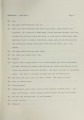
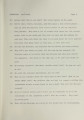
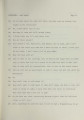
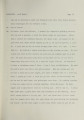
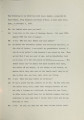
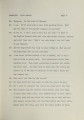
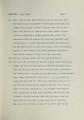
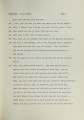
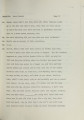
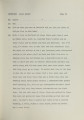
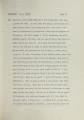
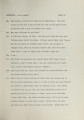
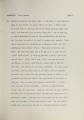
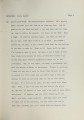
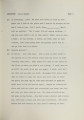
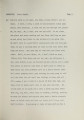
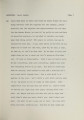
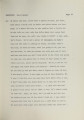
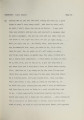
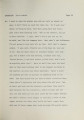
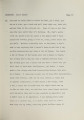
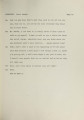
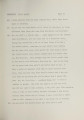
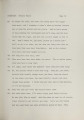
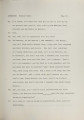
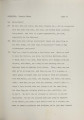
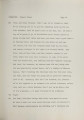
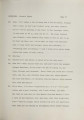
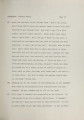
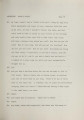
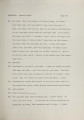
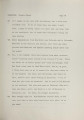
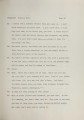
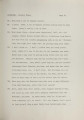
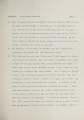
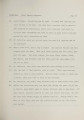
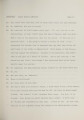
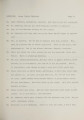
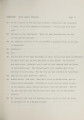
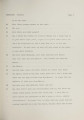
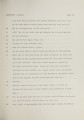
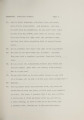
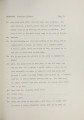
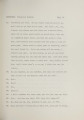
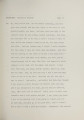
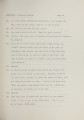
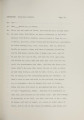
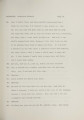
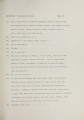
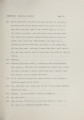
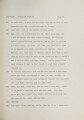
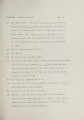
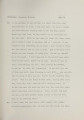
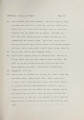
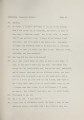
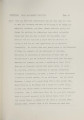
Show INTERVIEW: Cordova Page 37 I say no cooperation, no unity, no ... at the time the discrimination, and when I married Mr. Cordova, oh, I lost friends that I had for years and years and years. They just said, 'If you are going to marry that Mexican, why, we are through with you.' And even my mother, but my father knew him better than my mother did because my father had occasion to be with him oftener than my mother. When I told them we were going to get married Mother wasn't too happy about it, but Father said, 'He is a good man.' Later on, before Mother passed away, she says, 'Well, I am just so happy to say that Alfred,' she used to call him Alfred, 'Alfred is the best son-in-law that I have got. I can come into his home, he makes me acquainted, and the first thing that he says is, alright, now, Nell, you get busy and fix them something to eat . ' He has always made them welcome. Then my father lived with us two years, four years after Mother died. He came and lived with us. My husband had just as deep respect for my father or even more so than he did for his own father for some reason. Oh, he did. He got along so good. My father would get up, he lived over in this little apartment. That is where he slept, but he came and took all of his meals here. So I would send Carl over and I would say, 'Carl, go get Grandpa. Come to breakfast.' My husband would always make my children stand up behind their chairs and wait for Grandpa to come. This is what |
| Reference URL |
https://collections.lib.utah.edu/ark:/87278/s6mw46tt/1038320 |