| Title |
Spanish speaking peoples in Utah, oral histories: book 1, numbers 1 through 10 |
| Alternative Title |
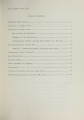
Jose Medel, Salt Lake City, Utah: an interview by Vincent Mayer, October 9, 1970; Louis Amador, Salt Lake City, Utah: an interview by Vince Mayer, Greg Thompson and Floyd O'Neil, December 3 and 8, 1970; Mrs. Francis Yañez, Salt Lake City, Utah: an interview by Vincent Mayer, May 21, 1971; Señor Santos Cabrerra, Salt Lake City, Utah: an interview by Vincent Mayer, January 4, 1971; Mrs. Ellen Córdova, Salt Lake City, Utah: an interview by Bernice Martínez, June 15, 1973; Mr. Francisco Solario, Salt Lake City, Utah: an interview by Floyd A. O'Neil and Vincent Mayer, December 19, 1970; Jesús and Agapito Castillo, Salt Lake City, Utah: an interview by Vincent Mayer, June 13, 1971 |
| Creator |
Medel, José, 1907- ; Amador, Louis, 1908- ; Yañez, Mrs. Francis, 1886- ; Cabrerra, Santos, 1886- ; Córdova, Ellen, 1904- ; Solario, Francisco, 1910- ; Castillo, Jesús, 1924- ; Castillo, Agapito, 1923- |
| Contributor |
University of Utah. American West Center; Mayer, Vincent, 1944- ; Thompson, Gregory C. (Gregory Coyne), 1943-; O'Neil, Floyd A.; Martínez, Bernice |
| Publisher |
Digitized by J. Willard Marriott Library, University of Utah |
| Date |
1970-10-09; 1970-12-03; 1970-12-08; 1970-12-19; 1971-01-04; 1971-05-21; 1971-06-13; 1973-06-15 |
| Date Digital |
2015-01-15 |
| Spatial Coverage |
Salt Lake City, Salt Lake County, Utah, United States, http://sws.geonames.org/5780993/ |
| Subject |
Mexican Americans--Utah--History; Mexican Americans--Utah--Biography; Mexican Americans--Utah--Social conditions; Chicano movement--Utah |
| Keywords |
Migrant workers; Farm labor; Railroad workers; Mexican Americans; Mexican Revolution; Labor movement; Catholic Church; Guadalupe Mission; Miners; Utah Copper; Chicano; Mexican Civic Center; Mexican consuls; Discrimination; Mexican immigrants |
| Description |
Transcript of interviews held in 1970, 1971 and 1973 at Salt Lake City with various Hispanic residents of Utah: Jose Medel (b. 1907), Lous Amador (b. 1908); Mrs. Francis Yañez (b. 1886); Santos Cabrerra (b. 1886); Mrs. Ellen Córdova (b. 1904); Francisco Solario (b. 1910); ; Jesús and Agapito Castillo (b. 1923 and 1924). From: Spanish Speaking Peoples in Utah, oral histories, Interviews no. 1 - 7, 8 - 10 |
| Type |
Text |
| Genre |
oral histories (literary works) |
| Format |
application/pdf |
| Language |
eng; spa |
| Rights |
 |
| Relation |
For description of each interview, see: http://nwda.orbiscascade.org/ark:/80444/xv23580 |
| Scanning Technician |
Matt Wilkinson |
| Conversion Specifications |
Original scanned with Kirtas 2400 and saved as 400 ppi uncompressed TIFF. PDF generated by Adobe Acrobat Pro 10 for CONTENTdm display |
| ARK |
ark:/87278/s6mw46tt |
| Topic |
Mexican Americans--Biography; Mexican Americans--Social conditions; Chicano movement |
| Setname |
uum_sspu |
| ID |
1038425 |
| Reference URL |
https://collections.lib.utah.edu/ark:/87278/s6mw46tt |
| Title |
Page 165 |
| Format |
application/pdf |
| Setname |
uum_sspu |
| ID |
1038258 |
| OCR Text |
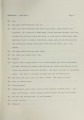
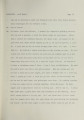
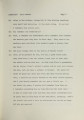
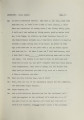
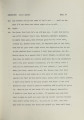
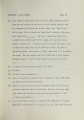
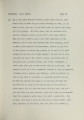
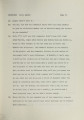
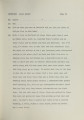
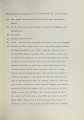
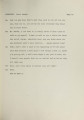
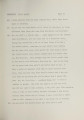
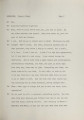
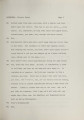
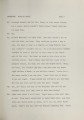
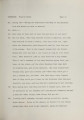
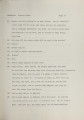
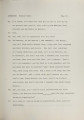
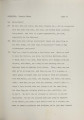
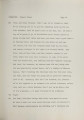
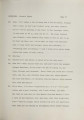
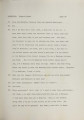
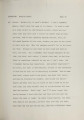
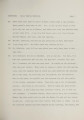
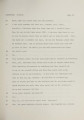
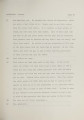
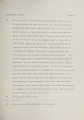
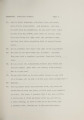
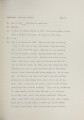
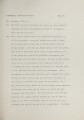
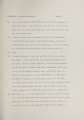
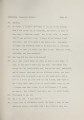
Show INTERVIEW: Francis Yanez Page 41 VM: They have a lot of migrant workers. FY: I guess. Yeah, a lot of migrant workers told me they're from Texas. There's really a lot of them. VM: What about these---these newer migrations? Well, ah---for example, Puerto Ricans besides Mexico, or Mexicans from Mexico. Did they have any trouble integrating with in the ah---Mexicans that live right here right now? Or getting along with them? FY: I don't think so. I don't, I think they get along pretty good. Maybe it's due to the ah---to the language, you know. Maybe that's why they're getting along better with the with the Mexicans. Because that was the trouble with the---with the new Mexicans. They didn't speak English, and you couldn't understand their Spanish, you know, and maybe that was their bickering there, too. I don't know. But the Texas is---is easier to---he's close to the border, you know, and he has more of their ways of the----of the border than the others. VM: What ways does the Mexicans have that were so much different ' from other Mexicans, other than their speech? FY: Well, other than their speech, their biggest problem w--was, and still is, that they won't identify themselves with the Mexicans, you know. In other words, they're, if you call them a Mexican, it's an insult. It's the biggest insult would be just as well them a poor little four letter word, than |
| Reference URL |
https://collections.lib.utah.edu/ark:/87278/s6mw46tt/1038258 |