| Title |
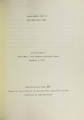
Spanish speaking peoples in Utah, oral histories: book 1, numbers 1 through 10 |
| Alternative Title |
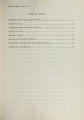
Jose Medel, Salt Lake City, Utah: an interview by Vincent Mayer, October 9, 1970; Louis Amador, Salt Lake City, Utah: an interview by Vince Mayer, Greg Thompson and Floyd O'Neil, December 3 and 8, 1970; Mrs. Francis Yañez, Salt Lake City, Utah: an interview by Vincent Mayer, May 21, 1971; Señor Santos Cabrerra, Salt Lake City, Utah: an interview by Vincent Mayer, January 4, 1971; Mrs. Ellen Córdova, Salt Lake City, Utah: an interview by Bernice Martínez, June 15, 1973; Mr. Francisco Solario, Salt Lake City, Utah: an interview by Floyd A. O'Neil and Vincent Mayer, December 19, 1970; Jesús and Agapito Castillo, Salt Lake City, Utah: an interview by Vincent Mayer, June 13, 1971 |
| Creator |
Medel, José, 1907- ; Amador, Louis, 1908- ; Yañez, Mrs. Francis, 1886- ; Cabrerra, Santos, 1886- ; Córdova, Ellen, 1904- ; Solario, Francisco, 1910- ; Castillo, Jesús, 1924- ; Castillo, Agapito, 1923- |
| Contributor |
University of Utah. American West Center; Mayer, Vincent, 1944- ; Thompson, Gregory C. (Gregory Coyne), 1943-; O'Neil, Floyd A.; Martínez, Bernice |
| Publisher |
Digitized by J. Willard Marriott Library, University of Utah |
| Date |
1970-10-09; 1970-12-03; 1970-12-08; 1970-12-19; 1971-01-04; 1971-05-21; 1971-06-13; 1973-06-15 |
| Date Digital |
2015-01-15 |
| Spatial Coverage |
Salt Lake City, Salt Lake County, Utah, United States, http://sws.geonames.org/5780993/ |
| Subject |
Mexican Americans--Utah--History; Mexican Americans--Utah--Biography; Mexican Americans--Utah--Social conditions; Chicano movement--Utah |
| Keywords |
Migrant workers; Farm labor; Railroad workers; Mexican Americans; Mexican Revolution; Labor movement; Catholic Church; Guadalupe Mission; Miners; Utah Copper; Chicano; Mexican Civic Center; Mexican consuls; Discrimination; Mexican immigrants |
| Description |
Transcript of interviews held in 1970, 1971 and 1973 at Salt Lake City with various Hispanic residents of Utah: Jose Medel (b. 1907), Lous Amador (b. 1908); Mrs. Francis Yañez (b. 1886); Santos Cabrerra (b. 1886); Mrs. Ellen Córdova (b. 1904); Francisco Solario (b. 1910); ; Jesús and Agapito Castillo (b. 1923 and 1924). From: Spanish Speaking Peoples in Utah, oral histories, Interviews no. 1 - 7, 8 - 10 |
| Type |
Text |
| Genre |
oral histories (literary works) |
| Format |
application/pdf |
| Language |
eng; spa |
| Rights |
 |
| Relation |
For description of each interview, see: http://nwda.orbiscascade.org/ark:/80444/xv23580 |
| Scanning Technician |
Matt Wilkinson |
| Conversion Specifications |
Original scanned with Kirtas 2400 and saved as 400 ppi uncompressed TIFF. PDF generated by Adobe Acrobat Pro 10 for CONTENTdm display |
| ARK |
ark:/87278/s6mw46tt |
| Topic |
Mexican Americans--Biography; Mexican Americans--Social conditions; Chicano movement |
| Setname |
uum_sspu |
| ID |
1038425 |
| Reference URL |
https://collections.lib.utah.edu/ark:/87278/s6mw46tt |
| Title |
Page 100 |
| Format |
application/pdf |
| Setname |
uum_sspu |
| ID |
1038193 |
| OCR Text |
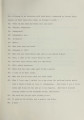
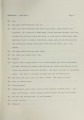
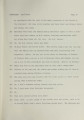
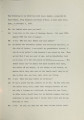
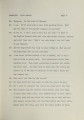
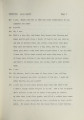
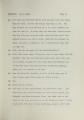
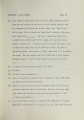
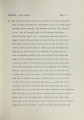
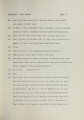
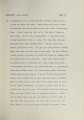
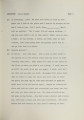
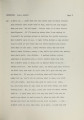
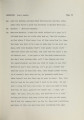
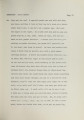
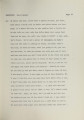
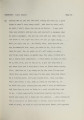
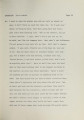
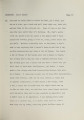
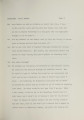
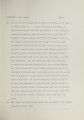
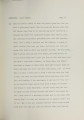
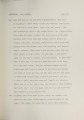
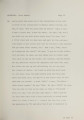
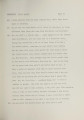
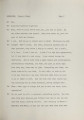
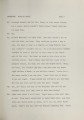
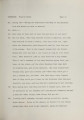
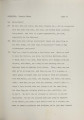
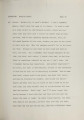
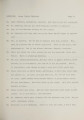
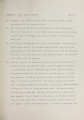
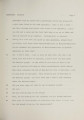
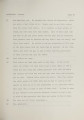
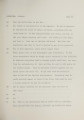
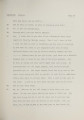
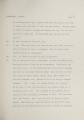
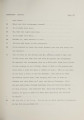
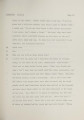
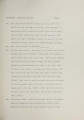
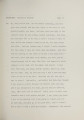
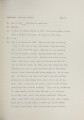
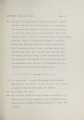
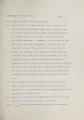
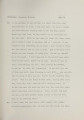
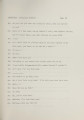
Show INTERVIffi{: Louis Amador Page 16 LA: right now has better rights than the white people. Far better rights and yet they still crying about brutality, the policeman hit me, the law is the law and no matter what you do, if you wreck the law you expect to pay for what you do. I don't side with the law but yet I give the law the right. For instance you can't go up here in the street and try to throw rocks at somebody the law comes on is got a right to apprehend me, the best of the knowledge even if they have to rope me like in steel that's the only way I asked for it. FO: Tell me about the matter of the police and the Mexican community here. Do you feel that the police, is there a different view now than there was when you first came here or do the people in the Spanish speaking community feel differently about the police than you suppose the rest of us might? LA: Well, I'll tell you, some of us have one way to think about it and some of us have another one. Just what I was talking now previous to these. If you break the law the law is entitled to, you know, go through it's course. Hany of times I wonder especially when I was single and my mother was there, I kicked the bottle right and left, I'm not ashamed to say it, because that was the truth. But the policeman meet me and want to grab my arm, 'what you doing, I'm going home, okay.' They never stop me or mistreat me or tell me, hey what are you |
| Reference URL |
https://collections.lib.utah.edu/ark:/87278/s6mw46tt/1038193 |