| Title |
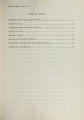
Spanish speaking peoples in Utah, oral histories: book 1, numbers 1 through 10 |
| Alternative Title |
Jose Medel, Salt Lake City, Utah: an interview by Vincent Mayer, October 9, 1970; Louis Amador, Salt Lake City, Utah: an interview by Vince Mayer, Greg Thompson and Floyd O'Neil, December 3 and 8, 1970; Mrs. Francis Yañez, Salt Lake City, Utah: an interview by Vincent Mayer, May 21, 1971; Señor Santos Cabrerra, Salt Lake City, Utah: an interview by Vincent Mayer, January 4, 1971; Mrs. Ellen Córdova, Salt Lake City, Utah: an interview by Bernice Martínez, June 15, 1973; Mr. Francisco Solario, Salt Lake City, Utah: an interview by Floyd A. O'Neil and Vincent Mayer, December 19, 1970; Jesús and Agapito Castillo, Salt Lake City, Utah: an interview by Vincent Mayer, June 13, 1971 |
| Creator |
Medel, José, 1907- ; Amador, Louis, 1908- ; Yañez, Mrs. Francis, 1886- ; Cabrerra, Santos, 1886- ; Córdova, Ellen, 1904- ; Solario, Francisco, 1910- ; Castillo, Jesús, 1924- ; Castillo, Agapito, 1923- |
| Contributor |
University of Utah. American West Center; Mayer, Vincent, 1944- ; Thompson, Gregory C. (Gregory Coyne), 1943-; O'Neil, Floyd A.; Martínez, Bernice |
| Publisher |
Digitized by J. Willard Marriott Library, University of Utah |
| Date |
1970-10-09; 1970-12-03; 1970-12-08; 1970-12-19; 1971-01-04; 1971-05-21; 1971-06-13; 1973-06-15 |
| Date Digital |
2015-01-15 |
| Spatial Coverage |
Salt Lake City, Salt Lake County, Utah, United States, http://sws.geonames.org/5780993/ |
| Subject |
Mexican Americans--Utah--History; Mexican Americans--Utah--Biography; Mexican Americans--Utah--Social conditions; Chicano movement--Utah |
| Keywords |
Migrant workers; Farm labor; Railroad workers; Mexican Americans; Mexican Revolution; Labor movement; Catholic Church; Guadalupe Mission; Miners; Utah Copper; Chicano; Mexican Civic Center; Mexican consuls; Discrimination; Mexican immigrants |
| Description |
Transcript of interviews held in 1970, 1971 and 1973 at Salt Lake City with various Hispanic residents of Utah: Jose Medel (b. 1907), Lous Amador (b. 1908); Mrs. Francis Yañez (b. 1886); Santos Cabrerra (b. 1886); Mrs. Ellen Córdova (b. 1904); Francisco Solario (b. 1910); ; Jesús and Agapito Castillo (b. 1923 and 1924). From: Spanish Speaking Peoples in Utah, oral histories, Interviews no. 1 - 7, 8 - 10 |
| Type |
Text |
| Genre |
oral histories (literary works) |
| Format |
application/pdf |
| Language |
eng; spa |
| Rights |
 |
| Relation |
For description of each interview, see: http://nwda.orbiscascade.org/ark:/80444/xv23580 |
| Scanning Technician |
Matt Wilkinson |
| Conversion Specifications |
Original scanned with Kirtas 2400 and saved as 400 ppi uncompressed TIFF. PDF generated by Adobe Acrobat Pro 10 for CONTENTdm display |
| ARK |
ark:/87278/s6mw46tt |
| Topic |
Mexican Americans--Biography; Mexican Americans--Social conditions; Chicano movement |
| Setname |
uum_sspu |
| ID |
1038425 |
| Reference URL |
https://collections.lib.utah.edu/ark:/87278/s6mw46tt |
| Title |
Page 31 |
| Format |
application/pdf |
| Setname |
uum_sspu |
| ID |
1038124 |
| OCR Text |
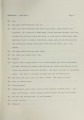
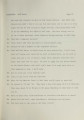
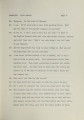
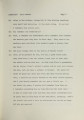
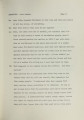
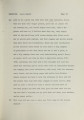
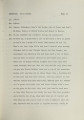
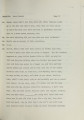
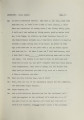
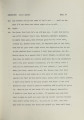
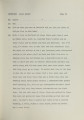
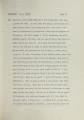
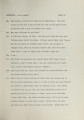
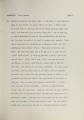
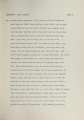
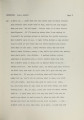
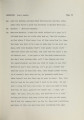
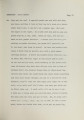
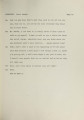
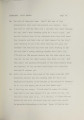
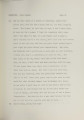
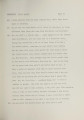
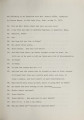
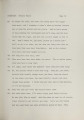
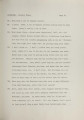
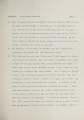
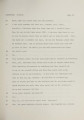
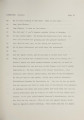
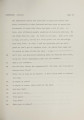
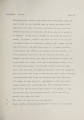
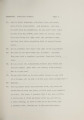
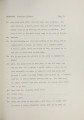
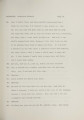
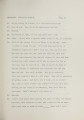
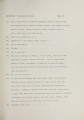
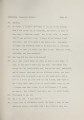
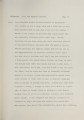
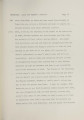
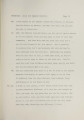
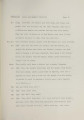
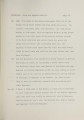
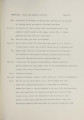
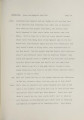
Show INTERVIEW: Louis Amador Page 3 LA: days. But the main place where the cotton mill was, where the factory was at Zaragosa~----that's the little town, the company never wanted to make a town but they call it more like a big farm but in reality was a town because it have FO: LA: a park and they have a church and they have quite a few recreations that the company set, they have beautiful golf course, course, I didn't play that naturally but those boys who own the set used to play around there, lots of recreation anyhow, in the evenings they used it whenever they please, they own the company so they can ~o what they want. Tell me, did your family own their own ·home there? No, .. 10, we not own anything and t~~e company supply everything, supply our house, and naturally our food and boarding stuff, like the cooking stuff like that, we had to get it ourselves, the company have a big area of wood what they so called mesquite tree, bring some kind of fruit like a __________ of a bean was a mesquite they call it. That was a hard wood that was the best for you in other wo~ds supplied like the fuel, see, you build a fire and cook with it. So, we didn't own anything there except what we have with ourselves. But you can live in there a lifetime and the house that you have---that was your house to your right, nobody even come out and say, hey, you got to do this or that, if you don't want to fix |
| Reference URL |
https://collections.lib.utah.edu/ark:/87278/s6mw46tt/1038124 |