| OCR Text |
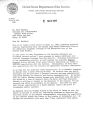
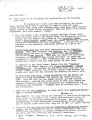
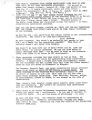
Show s 3. Conservation groups are also concerned that significant fish, wildlife and recreation resources associated with the rivers in the Upper Colorado River Basin'will be ignored. Since all western Governors have refused to work with the Environmental, Protection Agency in Denver to plan for the use of Basin water resources, it is quite clear.that our fears are well founded. State administrations want to retain all options for use and development of waters within their boundaries.1 Now, with the Congressional establishment of an Energy Mobilization Board and rights being given them to waiver State and Federal laws (now being debated in Congress), the prospect of energy development at all costs to the environment is alarming. I am also enclosing a document I prepared to assure that the Bureau of Land Management would address all relevant issues in its Environmental Impact Statement on the proposed State constructed White River Dam. The State of Utah wants to limit the kinds of issues appearing in an EIS to the site of the damsite and to the 12 miles of the River Basin to be Inundated. As you can see on Pages 17-19, and B36-39, I have spelled out what I knew about Indian water issues which have to be addressed. If you care to review this and amend or add to it, please provide me the information. I have sent some 55 copies of this document to the White House, to Department of Interior (5 copies to separate Departments), to the Council on Environmental Quality, to Directors of all^major conservation groups in the country, to some Congressmen**, and to interested individuals. So the issues have had broad publicizing and the BLM stated that this document would be given to the contractor who prepares the EIS for the BLM. If you have need for additional copies, I have some available and am charging $6.00 each to cover printing, preparing and mailing. It is our opinion that water needs for oil shale development can be met without damming this River. A private oil shale developer (Geokinetics) working in the Book Cliffs requires for its in situ process, only the amount of water it can carry to the site in buckets! In addition, it has excess water to dispose of. Why then, does the State of Utah require 3/4 of the 500,000 acre feet of water in the White River for oil shale development? We believe that water requirements for the Uintah and Ouray Reservation can be met in other ways than in damming the White River. You might not know that quite a few Utah people believe that committment of 53,856 acre feet of water*from the proposed White River Reservoir for Reservation purposes was only another ploy by the State to gain support for building the Dam. We would welcome your opinion of alternate proposals for allocating Reservation water. *0ut of the 500,000 acre feet available. **A copy was sent Congressman James H. Weaver, nfjo is on the Sub- Committee on Indian Affairs and Public Lands,(Committee on Interior and Insular Affairs) |