| OCR Text |
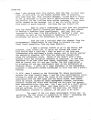
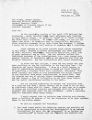
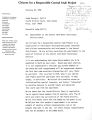
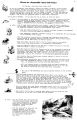
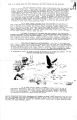
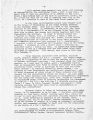
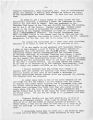
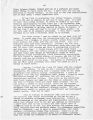
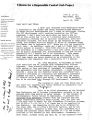
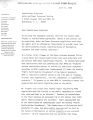
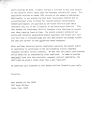
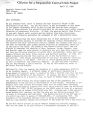
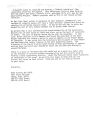
Show 2. Western States are resisting compliance with this Water Policy. They want to retain all options on water use for their own growth and development purposes. Under existing State laws and practices these development purposes do not include preservation of instream flows for fish habitat and riparian (stream-side) vegetation for wildlife habitat, and for recreation canoeing, rafting, or kayaking. The policy of the Utah Water Resources Board is one of developing all rivers in the State. Moreover, Congress has established an Energy Mobilization Board to develop the country's vast energy resources and right now is debating granting this Board the right to waiver all State and Federal laws which would hinder or delay such development. Under these conditions, development of energy in northeast Utah will not benefit Indians or conservation minded people - unless there is profound and broad planning taking place! The means for this planning is underway. The Federal government Task Force Reports for Indian Permanent Tribal Homelands spell out the means for meeting the Ute Tribe water needs. The Utes need support to bring this into existence in Utah. The League of Women Voters of Utah has embarked on a two year program to evaluate the State water resources, what the demands will be on these resources by all special interests, what the laws and policies are which prohibit water use other than for beneficial purposes, and what reforms are recommended. Our Citizens for a Responsible CUP organization is planning to broaden its efforts to include responsible management of all Utah water resources - rivers, lakes, wetlands. The Washington-based Environmental Policy Center is the lead organization in the country trying to stop unneeded and costly Corps of Engineers and Bureau of Reclamation ( Water and Power Resources Service) water projects- or the pork barrel developments. Its planning includes proposals for substituting conservation of water and efficient, cheaper management alternatives, We subscribe to such programs in Utah and believe there are viable alternatives for both Indian and non-Indian lands than those proposed by the State i.e., the CUP and the White River Dam. We would like to have you join with us in our efforts. We need to understand the Ute plans for their livelihoods on the Uintah and Ouray Reservation and what funds and projects are required to implement these plans. We need to have your support as we formulate plans and proposals for Utah water resources particularly in its Green River Basin drainage. I will inform the League of Women Voters of Utah that their March, 1980 publication, Challenges of the Future for Utah's Water Policies fails to include water resources for the Ute's Tribal lands and that they must include Ute plans in their program. I am enclosing a flyer being sent to people in Utah who are interested in protecting wilderness, fish and wildlife, |