| OCR Text |
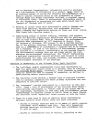
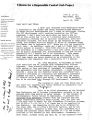
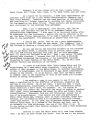
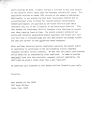
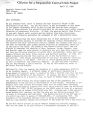
Show 2. document the biota for supporting the significance of free flowing rivers. A Sierra Club zeroes in on river protection where and when some of its membership include river protection In their spectrum of environmental action. While all this individual group thrust is amazing, seen as a whole, can and should its "power" in the Colorado River Basin be coordinated? And how? I think it should for the following reasons: 1. Constituents of a Conservation Group tend to see conservation issues through the perspective of the Group's approach to issues. They develop their "value" system from exposure to and involvement in the Group's processes. 2. In an issue of the magnitude of development of the Colorado River Basin - values and environmental approaches are overlapping. Much of the spectrum of environmental concern, except that of Alaska, is present. 3. With the enormity of proposed development in the Colorado River Basin - added to that already underway - the role of the environmental citizen has to broaden, to become more sophisticated in its approach to issues. In the process of making change in the Basin, this citizen now needs to know how the parts of the whole fit together: hydropower, water rights, western water law, the use of the Clean Water Act and EPA, the current politics of issues, the legal options, the role of Administration Agencies, the alternatives, the biotic necessities, the Washington-based conservation thrust as well as the local or State legislative picture, the specific issue in the Basin in relation to the whole problem and goal, the initiatives to look for as individual Group "entities, and opportunities for coordinating thrust with other Groups. 4. The Land Managing Agencies in the Colorado River Basin need prompt, continuing, and broad-based input from the environmental community for their resource planning. - while the BLM and Forest Service are divided for management purposes, into Districts and Forests, actions each entity deals with often have ramifications 'way beyond its boundaries, i.e., salinity, migratory wildlife, wildlife movement from winter to summer range, depletions of instream flows in valuable rivers at this point of that, R & E species habitat requirements (Peregrine falcon, endemic fish), water-based recreation. Yet it is only recently these Agencies have begun to recognize this - let alone act on the knowledge. - these separate Land Managing Agencies with contiguous boundaries need to work more effectively on mutual goals and by including the public in inter- Agency Issues, i.e., roadless area reviews, overlapping mineral developments, Park Service/ BLM/Forest Service shared resources such as aquatic and terrestrial habitats. |