| OCR Text |
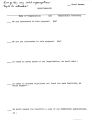
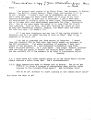
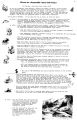
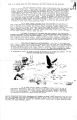
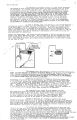
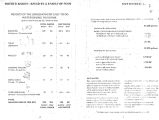
Show 3. are such that a variety of riparian vegetation, wetlands and flood-plains are found at all elevations. And wetlands are not always associated.with floodplains. This type wetland dispersion is characteristic of alpine country; however, a consequence of the east-west a^is of the Uinta Range as a receptor of weather patterns from the southwest and from the northwest, is a high degree of precipitation year 'round on the mountain range. This, in turn, results in frequently and highly saturated soils, particular types of vegetation, which overly a Mississippian limestone full of a variety of water tables. In both quantity and variety and elevations of dispersion, the Uinta Range wetlands are rare. This opinion was supported in a conversation with the Water Resources Council during an inquiry about guidelines for evaluating floodplains and wetlands in alpine country. The Council was funded to determine criteria of wetlands in_ floodplains only whereas, in the Uintas, pot holes, spruce bogs, springs and seeps and other wetlands types are not all in floodplains. The Forest Service is the lead Agency required to locate and evaluate wetlands and floodplains, as habitat conditions. Yet there is no statement in the Agreementwhich indicates that (a) habitats associated with wetlands and floodplains along rivers under questions will be met by proposed instream flows, (2) that migrating associations for wildlife, i.e., river to meadow, to forest cover are protected, or (3) that lands aquired as mitigation suffice to replace these habitat specifics related to Uinta river basins. Ommissions of hydrologicalrequirements for kayaking on Uinta Rivers involved in CUP developments. A Heber, Utah, resident, Les Jones, who considers kayaking opportunites on most of the Uinta Range Rivers to be the equal of many nationally known kayaking rivers, has evaluated by Grade and Class, portions of all rivers on the Range. (Information attached.) Rock Creek, Currant Creek and West Fork of the Duchesne have kayaking value. While the Forest Service is responsible for recreation resource management of major portions of these rivers, I see no consideration given to hydrological requirements for kayaking in the Agreement. Again, water sports such as kayaking are stated in Task Force Reports on Instream Flows as necessary considerations for uses of these Rivers. In. waking an Agreement relative to public lands in an area having national significance for its wildlife, wilderness, and recreation resources, limiting concerns of the Agreement to instream flows to retain 50% historic adult trout habitat for four out of ten rivers and streams, in unacceptable. Outstanding and naturally integrated resources of one 150 miles long and 35 mile wide mountain range are managed by three separate National Forest Supervisors, U.S.Fish & Wildlife Service staffs, a Water Resources and Power Service, and a State Division of Wildlife Resources Department.' The ultimate management and Agreement goal |