| OCR Text |
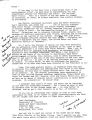
Show 4. F. We need to get those informed on developing issues, such as the release of Utah stream classifications, and non-degradation of National Forest streams clause providing the Advisory Group of these developments. In other words, we need active input from the "inside eyes and ears" - to keep up updated on action follow-up needed. If some of those named to be active members, really are reluctant to be present at meetings, we need to request that they write down information on ongoing developments, or call them to key Board members, unidentified, if they need this protection. Our effectiveness depends on not missing cues. G. Meeting Agendas must be prepared in advance. Those who can't come, should respond or comment on issues before the CRCUP group meeting. Not necessarily on all issues to be considered but ones they see pertinent at that time. If regular meetings, say once a month, are not possible for this larger group named, have six-week strategy planning and follow-up, with smaller groups acting in the interim, to see that the strategy is being carried out. Then meeting agenda supplied non-attenders Strategies should be broad-based:i.e,, getting the Governor to form a Sub Committee on State WAter Supply implementation formed and working. Under Forest Service RARE II procedures, this became an effective operation on the wilderness/roadless area determination of State philosophy and policy. Water is no less an issue. However, once the Governor gets the Sub-Committee formed, someone from the public has to attend the meetings, as the public. Maybe Lillian Hayes, June Wickham, Maureen Ellis, Jim Catlin,- although these are all busy people already. Maybe Brian Beard can appoint a SLC based water coordinator as well as Audubon Society and CRCUP - among non-working women, or students. |