| OCR Text |
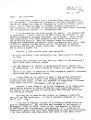
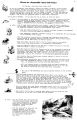
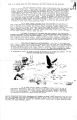
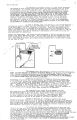
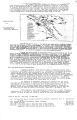
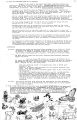
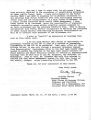
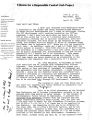
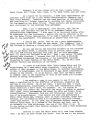
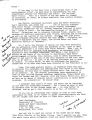
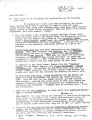
Show WHAT IS SO UNIQUE ABOUT THE UINTA MOUNTAINS, THE TROUT STREAMS AND THE WILDLIFE? miles forms, Weathe a high in the cirnue rivers lie al form s some s sltuat The Uinta Mountains extend, like a long,sinuous spine for over 100 in northeast Utah. Eleven peaks over 13,000 feet elevation, red castellated loom over countless high basins, descending valleys, and intervening ridges r movements from the southwest and northwest meet over theUintas and produce' degree of precipitation summer, fall, winter and spring. This precipitation form of rain, hail, snow and ice has carved out enormous amphitheater-like basins and their many lakes which form the headwaters of twenty four major coursing down the mountain slopes. Series of meadows, the ancient floodplains ong each stream from top to bottom. Moralnal deposits, now covered with timber eparating ridges between each stream drainage. Some 500 lakes dot the Uintas ' tair-step fashion down the slopes. Countless wetlands and wet potholes are ed at level points where water will hold. „ , It is these natural features which have provided the multiforms of food, cover and water for the diversity of American wildlife species living at one time or another on this Range: the grizzly, bison, wolverine, cougar, moose, elk-deer, Rocky Mountain sheep, black bear, Canada lynx, gray and red fox, bobcat, otter mink beaver, muskrat, marmot and pika. The vegetative diversity provides for a wide ' ' range of waterfowl, shorebirds, songbirds, Upland game birds, White-tailed Ptarmigan and the major raptors - eagles, hawks and owls. ' At least 15 species of fish spawn and rear young in the tributaries, streams, and lakes of this one mountain range. Cutthroat, Rainbow, Brown, Golden trout• Mountain Whitefish; Sculpin and Dace; Arctic grayling; Redside Shiner; Flannelmouth, Utah, Mountain and Bluehead sucker; Channel catfish and Carp. Gradient, riffle and pool, spring run-off and late season water depletion, surface insects and microinverte-brate life contribute hydrological and biological components of the aquatic habitat. The chain of dependency is interrelated - like that of the beaver and moose. Damsel, Dragon and May flies and Midge which feed the fish, also feed amphibians and the birds nesting along stream courses: water ouzel, kingfisher, nuthatch, titmouse, killdeer, woodcock, heron, blue crane, bobolink, thresher, Oriole, woodpecker. These in turn feed the predator: bird, mammal, frog, reptile. The river ecosystem is a major key factor in the perpetuation of the wild species diversity on this Uinta Range. To paraphrase a quote: No natural feature or species is an island unto Itself; for when the bell tolls for one, it tolls for all! J o Zt is t n e s e natural assets of a mountain range thrust un nut r>r semi-desert surrounding lands, which has intrigued early fur traders! explorers geologists per-historic and native Indians, western outlaws, hunters fishermen hikers, and photographers. A- State and regional resource no longer I the Uintas has captured the hearts of people across the nation. EARLIER GENERATIONS HAVE NEVER UNDERSTOOD THIS BENEFIT OP WATER. "WATER DEVELOPERS HAVE FXPI OTTirn WHAT ARE CONSIDERED TO BE THE ONLY BENEFICIAL USES OF WATER: SUPPLY FOR FARMS FOR CMIES III FOR INDUSTRIES. AND THEY HAVE PLANNED AND COMMITTED EVERY FLOWING DROP OF WATER FROM THE UMTA WATERSHED FOR THESE PURPOSES, ONLY.' ri.uwj.iMi, unvf ui- WA1EK FROM THE UINTA |