| OCR Text |
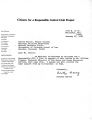
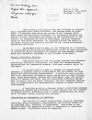
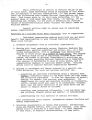
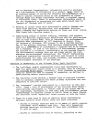
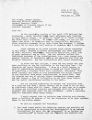
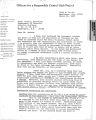
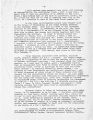
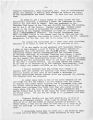
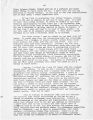
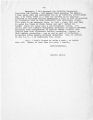
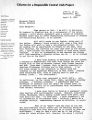
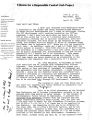
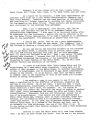
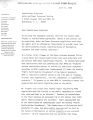
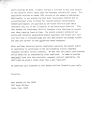
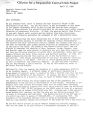
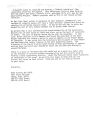
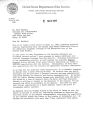
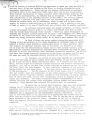
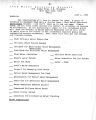
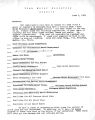
Show Citizens for a Responsible CUP High Uintas Wilderness Coalition Colorado River Basin Coalition 1445 N. 10 St. Manitowoc, Wisconsin 54220 June 8, 1980 Ruby Black Ute Indian Tribe Uintah and Ouray Indian Reservation Ft. Duchesne, Utah Dear Mrs. Black: I am writing this letter to inform you of some planning and activities relating to Utah water resources since Indian interests are and should be represented. While I now live in Wisconsin I have been involved in Utah land and water resource issues from working in Utah summers since 1973 and during the entire 1977-1978 year. A University of Wisconsin civil engineering student, Dan Hornung, met with you two summers ago at my request. I should say that the goals of members in the above named organizations, relating to water resources, are ones of seeking to modernize Utah water policy, laws^and practices in order meet the many kinds of demands being made today for water use. If fishing, wildlife and recreation associated with the State rivers, wetlands and lakes are to be protected, we think it will-' be necessary to reform water management. This means initiating water conservation measures for Utah communities, for industry (including mining), and for irrigation. This means planning non-structural alternatives for water allocation to the huge, costly Federal water projects. This means determining available water sources in the State, what the various water demands are and will be, and planning to resolve conflicts. This will not be easy. As you know there are many different special interests looking at water resources in northeast Utah alone: developers interested in energy; both Federal and State economic beneficiaries; fish, wildlife, and recreation specialists and organizations; ranchers; the Ute Indians. As you also know, the Federal government formulated a Water Policy reform for the nation's waters and the Department of Interior was given the lead responsibility to implement this. All levels of Federal government are responsible for developing guidelines to work with the western States to bring this goals about. The Forest Service, the Bureau of Land Management, the U.S.Fish & Wildlife Service - all Federal Agencies which manage public resources - have to plan to meet water requirements for their resources. The Task Force Reports prepared by and for the Bureau of Indian Affairs are designed to provide the necessary water resources on Indian Permanent Tribal Homelands. |