| OCR Text |
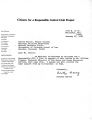
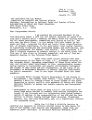
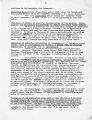
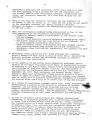
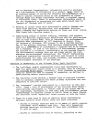
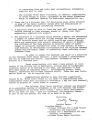
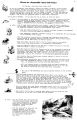
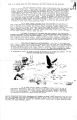
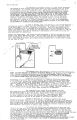
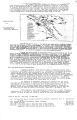
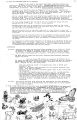
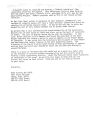
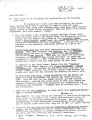
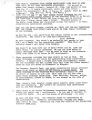
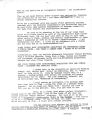
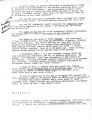
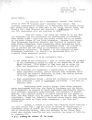
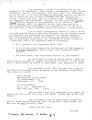
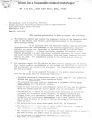
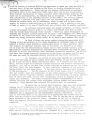
Show - Citizens for a Responsible Central Utah Project 727 6th Ave., Salt Lake City, Utah, 84103 We are fly fishermen, bird watchers, hunters and hikers, kayakers, outdoor guides and outfitters, wildlife and fisheries scientists, doctors, naturalists, speleologists, wilderness buffs, foresters, resort owners, city people, young and old, employed and retires - and we all have two things in common. We love the beautiful mountain streams and the wildlife on the Uinta Mountains - and - Utah Lake and its marshes. And, we are all taxpaying owners of these public resources! BUT WE HAVE A PROBLEM! If you think the way we think, we need your help! We think - the development of the Central Utah Project is too high a price to pay for the destruction of miles of Utah's rare trout streams, acres of wildlife habitat, invaluable Rocky Mountain botanic, biologic, and aquatic resources, hours of natural recreation enjoyment, and quality of human living. We think - that 10 high quality mountain trout streams - some 504 miles - should not be destroyed, dewatered, or their ecosystems disrupted. Countless numbers of fishermen, kayakers, hikers and photographers enjoy these. - that the natural productivity of spawning tributary streams is an important biological function and should be protected. - that additional reservoir, flatwater fishing is no substitute for the challenge of the tumbling forest stream. 6 - that the biological productivity of wetlands and floodplains along these stream bottoms is essential habitat for moose, beaver, song and shore birds waterfowl, upland game birds, and smaller animals. ' - that this lowest lattitude habitat for the Shiras moose in the country - along these Uinta Range streams - is ecologically Irreplaceable. - that the migrating routes for elk and deer - needed for access to food and cover and escape - cannot be mitigated. - That Rock Creek and Whiterocks Canyons are two of the outstanding canyons on the Uinta Range and must not be dammed. They are entranceways to the Uinta Wilderness! They have rare botanic species, cliff dwelling raptors, provide habitat for moose, elk, deer, bear and cliff dwelling raptors. Whiterocks Cave - high on the cliffside - is a relatively unexplored treasure! - that kayaking down the Uinta Range riverine canyons is second to none in enjoyment and excitement. - that withdrawing 136,000 acre feet of water every year from the Green River - will have undetermined impacts on Rare and Endangered Colorado Squaw-fish, the humpback chub, and two rare Utah fish species - will have unknown impacts on potential Wild and Scenic portions of the Green, the White and the Colorado Rivers as well as on the bird and wildlife associated with their warm water ecosystems. $ - will add to the increasing and costly salinity problems of the Colorado River. / that Utah Lake is one of the unique warm water lakes in the Country. Its marshes are needed for nesting and feeding habitat for White-faced Ibis, White Pelicans, Black Cormorants, varieties of waterfowl such as the Ruddy Duck and Virginia rail, and some 6,000 Canada Geese. Until recently, Peregrine Falcon nesting in eyries on cliffs above Utah Lake, depended on these marshes. The cleansing properties of the Goshen Bay littoral zone sponges is an integral function of the biological survival of Utah Lake. Bird watchers, hunters and/* fishermen derive hours of benefit from these natural resources. t h?^ the fragile Salt Lake Valley environment cannot stand the consequences of unlimited growth and development - a purpose of the Bureau of Reclamation transbasin diversion. that justice must be done in meeting water needs of the Ute Tribe and that alternatives to the CUP can be found for such purpose. We think - that the 50-100 year life expectancy of the CUP would produce radical and irretrievable disruption of natural water and land features and their ecosystems. These have taken centuries to evolve. - that the trade-off we have made now-becoming apparent in a half a century- will be acres of silted in reservoirs which can no longer be served by the existing network of costly water conveyances. What then? |