| OCR Text |
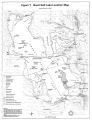
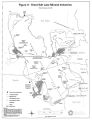
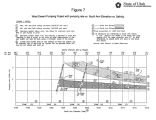
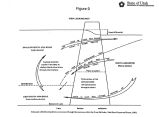
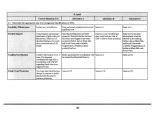
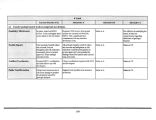
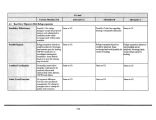
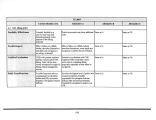
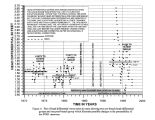
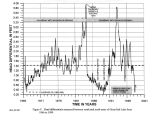
Show or 3) breach or eliminate the causeway to allow unlimited navigation into the north arm. The plan further presents an additional alternative to enhance navigation on the lake through developing marinas and boat ramps in the north arm. Any effort to breach the northern railroad causeway to facilitate full navigational access from the south arm to the north arm and vise versa will be very costly whether the state bears the cost of the breach or attempts to legally compel the railroad to bear the cost. Full navigational access through the causeway can be accomplished in one of two ways: 1) breach the causeway and construct a bridge that will accommodate high vessel passage; or 2) breach the causeway and abandon railroad traffic across it. Any breach in the causeway designed to fully accommodate navigational access to the north arm without disrupting railroad traffic will need to occur in water depths sufficient for deep keel boat passage. The bridge system spanning the breach must not only allow railroad traffic across the causeway, but also have sufficient height or mobility to allow passage of sailboats with tall masts. The geology of the lake bed in the deeper waters is such that engineering and constructing such a bridge will be extremely expensive, if not impossible. The second scenario for full navigational access to the north arm from the south arm circumvents the geological and engineering impediments associated with constructing a bridge, but requires the railroad to abandon the causeway and re- route the displaced train traffic. This alternative is obviously very damaging and costly to the railroad and those that use rail transport. In light of the leases held by the railroad for this causeway, it is highly unlikely that they will voluntarily bear the cost associated with building a bridge or abandoning the causeway. While brine shrimp harvesting companies and mineral extraction operations in the south arm of the lake would likely support breaches in the northern railroad causeway in anticipation of the resulting higher salinity levels in the south arm, mineral extraction companies in the north arm and the railroad would vigorously oppose it. The north arm mineral extraction operations currently enjoy near saturation salinity levels in the water which makes evaporative extraction processes very productive. Breaches in the causeway will reduce salinity levels, resulting in decreased mineral extraction productivity in the north arm. Some of these operations have also invested significant amounts of money in lake bed canal systems designed to channel dense brine solution to locations where the brine can be pumped into evaporation impoundments. The head differential between the north and south arms will create strong currents when the causeway is breached which may damage or destroy these lake bed canal systems. This problem was experienced in 1984 when 300 feet of causeway was breached immediately East of Lakeside, Utah. The state was subsequently sued in court and required to compensate the canal owner for the damages that resulted from the water currents generated by the breach. Administrative access including search and rescue to the Little Valley Harbor under agreement with the upland owner provides reasonable access to the north arm. 316 |