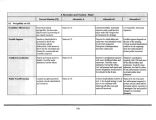
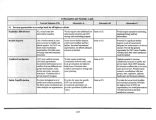
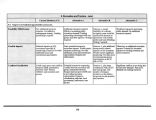
| OCR Text |
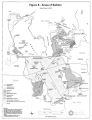
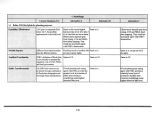
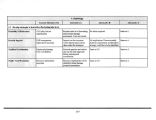
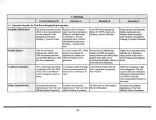
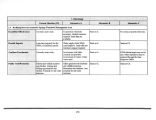
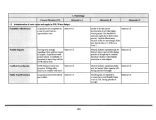
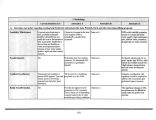
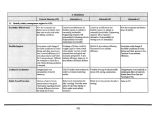
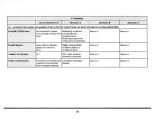
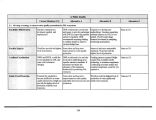
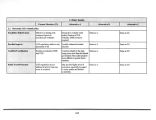
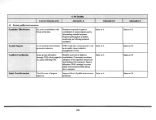
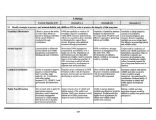
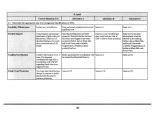
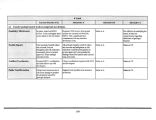
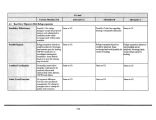
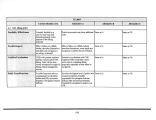
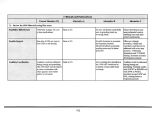
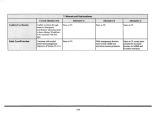
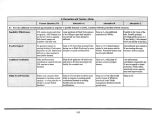
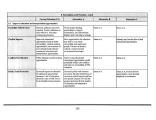
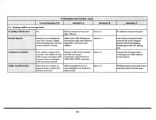
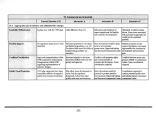
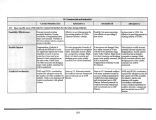
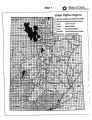
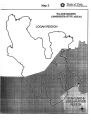
Show 6.3 BRMBR expansion The public supported alternative B to allow for BRMBR expansion without conditions. The majority of those who commented suggested that this would allow more flexibility for DNR and USFWS to better manage this area and optimize migratory bird conservation. Only one respondent suggested no change in present management. Assisting USFWS in expanding the size of the refuge is a good idea, except the refuge should be allowed some flexibility in establishing closed areas and imposing other restrictions consistent with state WMAs. The bird refuge should be expanded without conditions. The state should reserve the right to impose restrictions on a case- by- case basis. This should include a blanket policy of not making sovereign land available or by imposing the restriction suggested by A, limiting the flexibility of both the state and USFWS to consider land transactions and best tailor the conditions associated with them. Sovereign lands would contribute toward achieving the migratory bird conservation objectives of BRMBR and should be managed by USFWS consistent with the acts and authorities governing USFWS refuges. Sovereign lands of the state may be leased to the BRMBR, but the title to these lands will remain with the state. The intent of the alternative is to ensure that hunting continues on these lands because the state recognizes hunting as an appropriate use of wildlife. The lease stipulations of the lands can ensure the state's interests are protected. DWR will work with the DFFSL and USFWS to facilitate these needs. Expansion of BRMBR was identified through scoping as a concern to be addressed in the CMP. At this time DNR and the USFWS are reviewing ownership records in preparation for negotiating the appropriate land use authorization. Compliance with state law and loss of some recreational activities if sovereign land is included in the refuge are among the concerns to be addressed in the negotiation. Claimed private property interests notwithstanding, sovereign land in the expansion area is open to recreational pursuits that the refuge may seek to curtail. 6.4 Diking Policy The public supported requiring an assessment of wetland, lake level, water quality, navigation and other impacts for each diking proposal. Over 70 percent of the respondents supported alternative A and less than 30 percent suggested no change in present management. Industry and wildlife management concerns were identified in this area of concern. We agree with the proposed approach, but would add that any diking must be consistent with ecosystem management principles and the protection of public trust resources. Alternatives A and B are most consistent with the multiple- use charter of sovereign lands and the emerging recognition of diking impacts on this ecosystem. 308 |