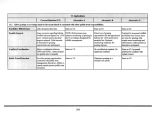
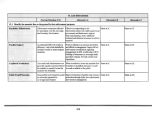
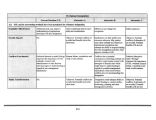
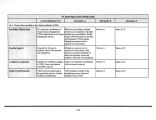
| OCR Text |
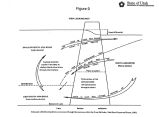
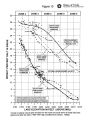
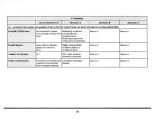
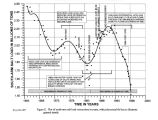
Show Since the northern railroad causeway is in place and because two different salinities have resulted from its presence, perhaps the question might be better stated as: " would changing the current conditions in the lake ( equalizing north and south- arm salinities) be of benefit to the state's public trust?" If so, in what way? Specific evidence and reasons are certainly needed before any action can or should be taken. Will there be an overall economic or commodity benefit to the mineral extraction industries and the brine shrimp industry? With respect to restoring basic attributes, this means changing conditions to approximate pre- 1980s flooding, pre- causeway and pre- 1847. Bear River Bay and Farmington Bay are examples where maintenance of separate and distinct salinity may be appropriate. Is the wildlife habitat associated with these relatively lower salinity areas by some measure " better" than would exist under more natural saline conditions? What would happen to the wildlife now using the areas if salinity were more natural? Do the dikes of BRMBR provide better habitat than would exist without the dikes? The plan does not explicitly address water circulation. To totally restore " natural" circulation, all dikes would have to be removed. The state RDCC reviews proposed development activities that require permitting. An objective of this process is to bring all affected divisions together to consider these actions and minimize or eliminate impacts that damage other resources. The intent of this plan is to provide for more specific management and conservation. Work is presently ongoing by the GSL planning team, DWR and other private and public entities to learn more about the lake, its dynamic nature and its ecology. DNR will consider the results of these studies when considering further lake- altering actions. Comments on design or methods of keeping culverts open were not included in the plan but have been discussed. A decision to add another opening in the causeway is a major ( costly) one. The plan has purposely deferred any recommendation on a new opening until the benefits of keeping the culverts clean and lowering the bottom of the breach can be determined. 2.2 Account for locations and quantities of salts in the GSL system The majority of the respondents supported the preferred alternative and were interested in knowing where lake salts are located and how much is sequestered. One respondent preferred no action. Nearly 30 percent of the respondents mentioned this resource concern. If salinity in the south arm is decreasing, then it can only be the result of salt mining by the chemical industries. If salt mining is the cause, why would tax payers have to pay to correct this situation? The composition of salts ( minerals) is also changed by the chemical industries who selectively remove only certain minerals. Bringing this " depleting" mineral from the 290 |