| OCR Text |
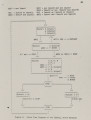
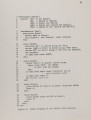
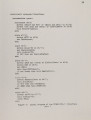
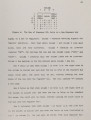
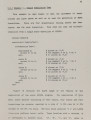
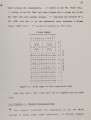
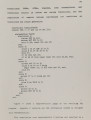
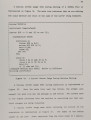
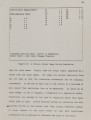
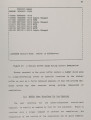
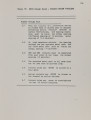
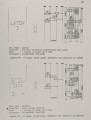
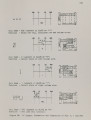
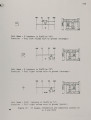
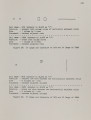
Show 35 adequately described using this language. These two example control-units illustrate the syntactic is the definition of how it will operate. The basic semantics definition of some real world circuits, but give us no information about its functional, electrical or logical behavior. That is left to semantics. 3.2 The Semantics of SICUDL Underlying, the above syntactic description of two control-units implemented by both the simulator and the compiler are defined as follows. t • There is no implicit interaction defined between separate state-machines in the same control-unit. Such interaction must be defined by the SICUDL programmer by using outputs from one state-machine as inputs to anothe. 2. All transitions listed in a state description are concurrently possible. That is, if the conditions to more than .one transition are met, both transitions will be taken simul taneously. (Note that if two transitions are taken Simultaneously from a given state, an error in design has been made with respect to the proer operation of controlunits implemented using the one-hot method.) 3. All outputs from a state are altered concurrently. As the conditions are met for conditional outputs, those outputs will be changed accordingly. 4. Input changes may occur asynchronously wi thout respect to machine state or stability. In effect, fundamental mode operation is not required. While the entire control-unit may be operating in fundamental mode by deSign, this is not necessary. 5. Transitions from a state can only occur when the state is curently active and all its predecessor states (those states which could transition to this state) are currently inactive. 6. Transitions occur as follows: the next state (or states in |