| OCR Text |
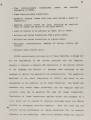
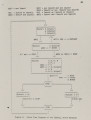
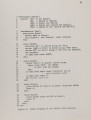
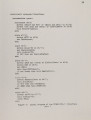
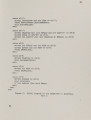
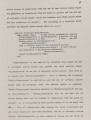
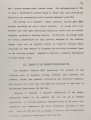
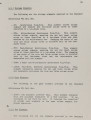
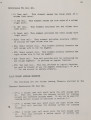
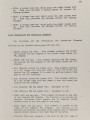
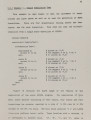
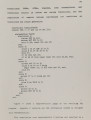
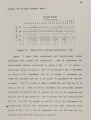
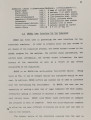
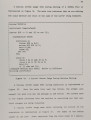
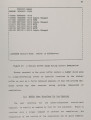
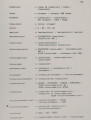
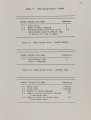
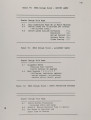
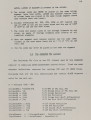
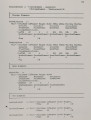
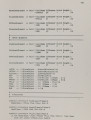
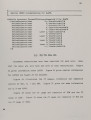
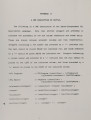
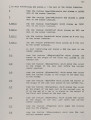
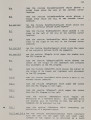
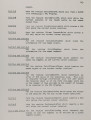
Show 31 ti.1:zle the transition is taking place, output STOP Will be set to true. Line 14 describes a transition to State3. The condition which must be met in order' for this transition to be taken'is either AND3 is true or CMP2 is true. Also, during this transition, output Stop will be reset to false. Line 15 has a conditional output on a transition. If the state-machine sees that NOT' is true, it moves back to State'. If, during this transition, global input OR2 is true, output RESTART will be set to true. Line 16 indicates that, whUe in State2, if input AND2 is true, output BURST will be reset to false •. Lines 19 to 28 describe State3. This state illustrates several other features of SICUDL' The only transition from this state is a fork, indicated by the reserved word "forkon." This fork transition will take place when Input 11 is true and will start concurrently states from the set of mutually joining states. Each of these executing control paths beginning with State4 and State5. Furthermore, during this tranSition, several types of output changes will be effected. STOP will be reset to false, if input NOT' is true then output CRASH will be set to true, and output BORST will always be set to true. Many outputs will be affected in this state. Line 24 begins a rather complex structure in which five different outputs will be changed if input AND3 is true. Lines 29 through 36 describe states "State4" and "State5." These states both look very much the same because they mutually join each other in transitioning to state State'. Each of them has a join transition (indicated by the reserved word "joins") with the other two |