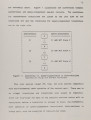
| OCR Text |
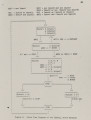
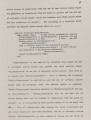
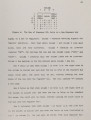
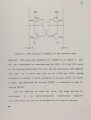
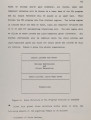
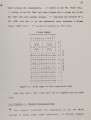
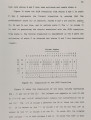
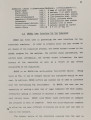
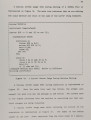
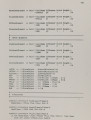
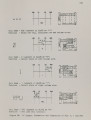
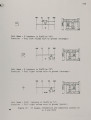
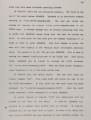
Show are extremely short. 13 Figure 1 illustrates the differences between asynchronous 'and speed-independent one-hot circuits. The condit1.ons for asynchronous transitions are listed on the left side or the Speed-Independent I ------------------ I I 11 AND NOT State C I I ,. , , 12 AND NOT State A I lI I I 13 AND NOT State B I 1 I I I are on the right side • transition arc and the conditions for speed-independent trans1.t1.ons Asynchronous .-----. . ----------------------------------------------. A ,----, 11 I \11 B ,----- , 12 I \11 c ,----, 13 I \11 A ,----- , ,----------------------------------------------, Figure 1: Asynchrony vs. Speed-Independence in State-Machines Implemented Using the One-Hot Technique 'This also implies longer PPL rows, but also assures completely safe non-fundamental mode operation of the control-unit. There can be no illegal transitions and transitions will always be completed. Since the flip-flops for each of the possible previous states will be deacti va ted before a transition is allowed to occur, non-fundamental mode operation of speed-independent control-unit state-machines is always safe, with the except Lon of scale-of-two loops. |