| OCR Text |
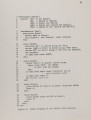
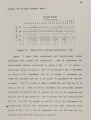
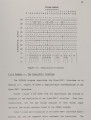
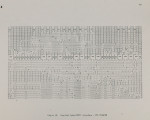
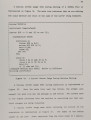
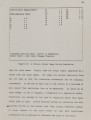
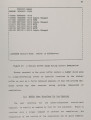
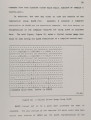
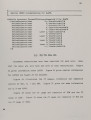
Show for representing SLA and PPL programs. At first, tbese fUe formats tried to imitate the physical layout of the SLA or PPL program. Such . efforts included the Common Utah File Format (CUFF) (6), the Storage/Logic Array File Format (SLAFF - a file format used primarily at General Instrument Corporation (GIC) and Patll Systems, Inc • . (PSI», and the CMOS Fil e Format (CHOFF) • CUFF was the first such file format and was restricted to representation of an early NMOS four-wire per column implementation of the SLA. It adhered to the Patil-Welch [60) representation of the SLA and was not easily extensible. SLAFF was generated at GIC and represented a two-Wire per column NMOS implementation of tbe SLA. Again, it was not easily expandable to include multiple cell sets. CMOFF is similar to SLAFF and was developed at the University of Utah to represent tbe CMOS SLA (PPL) cell set described in (71, 72). It was restricted to representing the one-wire CMOS cell set. A major problem with all of these formats was their effort to illustrate physical placement and size of all the elements. The second and most critical defect of all was their non-linguistic and ad-hoc specification. This made parser generation very difficult. In working on the Speed-Independent Control-Unit Design System, a linguistic specification was needed and the Speed-Independent PPL Description Language (SIPPLDL) was devised. This language is CIF-like . in that it is linguistic and cell oriented, but it retains cell names .. and places cells at or relative to row and column locations. No information about size or processing is present in the language and so 18 |