| OCR Text |
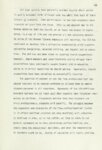
Show 87 a during and extended the argument by Campbell a of Utah economist University healthy c1imate.29 tax The claiming that Utah in fact had controversy continued 'with tax increases and the Utah opposing period, concurred with the J. Bracken Lee, who was Lee and the UEA soon wanted to Legislature Since public education to tax increases. was already had, it Since the UEA had ity, acquired successfully urged its it was most of the state tax monies, getting some members to increase their political activ and Indeed, the battle was bitter and in are still evident.31 Walker, "Is Utah a Perhaps as a High Tax State?" reaction to Lee, Utah Educa Review.38 (February 1945): 165-168. 30Utah 1 degree of political influence and observers, the results of the battle have been some 29Dilworth tional wisely using the were inevitable that the conflict between the Governor and opinion of far-reaching and natural for him to oppose the UEA. was the UEA would become bitter. the Governor into conflict with each other since Lee because Lee did not think that the schools had 1949.30 taxes reduced and the UEA wanted to see them increased. see money they in very conservative Governor, a strongly opposed came people Taxpayers Association opposing the idea of teachers serving in the State By this time, Utah had elected many April Tax 1949. (May 1950): a ers Association Bulletin #5 (Salt Lake City, "Opinion," Utah Educational Review'-'43 See also 8. 31See Elwin Lee Reynolds, uJ. Bracken Lee and Utah Public Education.1.! (M.S. thesis, Brigham Young University, 1973). Reynolds concluded that Lee's "inate dis1 ike of taxes" had a significant effect on "retarding the growth of education" in Utah. This argument is considered in Chapter VI of this study. |