| OCR Text |
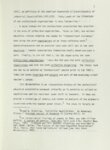
Show 39 teachers to major is no which bargain collectively ith school districts. of many local concern law in some states which negotiations take can negotiations laws which impasses do provides a is that there legal framework within In many of the states there place. provide the desired direction in between boards and first half of the professional associations A present bargaining associations.48 In case of During the 1970's, the NEA worked toward the goal of negotiations law. are a national 1976, NEA President John Ryor stated: How much longer must we wait? The need for a federal collec tive bargaining law for puBlic employees has never been greater. Teachers and other public employees want equity.49 However, in the gaining law was same year, the NEA push for that the individual determine the employees. national collective bar for in June, the Supreme Court ruled that stymied, the Fair Labor Standards Act could not means a relationship apply to the states--not the federal states.50 This government--are to that exists between them and their Nevertheless, the swing toward collective bargaining is definitely established. To conclude, the NEA-Affi1iate movement has methods of unionism, but has done This has required a new so definition of in the name adopted of the basic professionalism. professiona1ism--one which 48See virtuallj any edition of the NEA Reporter for the latest what state laws .are being enacted or considered. See pages 1 and 8 of the November 1975 issue for a statement of the NEA rationale for collective bargaining legislation. on 49NEA Reporter 50Nationa1 Labor. 14 (December 1975): 1. League of Cities and Towns v. Usery, Secretary of Slip Opinion (U.S.) 74-878,74-879 (1976). |