| OCR Text |
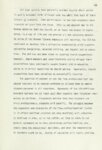
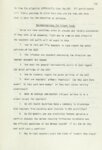
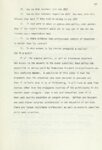
Show 40 harmonizes with unionism. Under the order of the 1I0ld ism," teachers did not strike because they "new professionalism" requires true professionals.will The professionals. opposite--indeed teachers who are be the first to strike if their cause is One leader in the movement had articulated the doctrine of the just. "new the were professional- professioDalism" this way: I am not disturbed by whether a teacher takes on some of the tactics of the labor union, since this is not a measure of professionalism, but rather whether a teacher feels proud of his work and wants to improve himself. ... Do you feel professional? Secure? Competent? Just because you may wish to carry a picket sign is no measure of whether you are indeed a professional teacher, who wishes to draw attention to the fact that the conditions in the schools are bad. Your professionalism is the extent to which you are dedicated to better educational opportunity for boys and girls. I saw in Florida that teachers can be so concerned about conditions that they are willing to carry picket signs and even discontinue work in order to draw attention to conditions in the schools. I believe that this is true pro fessionalism, and I heartily endorse it. No teacher is un professional just because he draws attention to the need for better schools.51 Thus, in a relatively short changed dramatically. cribed euphemistically, favor of harder terms. the movement The but period of time, tactics were the NEA-Affiliate movement changed first and gradually, euphemisms Instead of seeking teacher began seeking teacher power. service$, teachers have begun striking. In were were dropped desin participation, place of withholding Since such actions and rhetoric have been both attacked and justified in the name of pro fessionalism, the rhetoric of professionalism is discussed in Chapter III. 51Wende1l Newman, New Develo ments in Professional Ne otiations, Re ort of the Work Conference in Collective Bar ainin Denver: ERIC Document Reproduction Service, ED 025 020, 1968 , p. 10. |