| OCR Text |
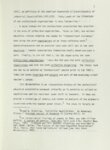
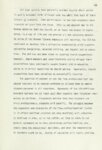
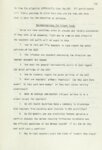
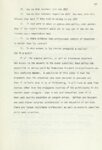
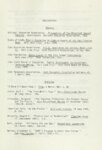
Show 7 by observers of the movement. lific teacher power analysts, questions such studies suggest that members of join only for professional not the schools, but rather of the more conclusion. His Myron Lieberman, a one pro professional teacher organizations reasons or hecause want to they they join in large part due run to peer pressure and the economic benefits which teachers believe the organizations deliver.6 A question which provokes lively debate collective bargaining and the resultant position is good for education. good; such as or not of the teachers' strengthening voices. The NSBA is joined by good. Conservative Reader's Digest and U.S. News and World articles publications mass Report have published editorialized to the effect that unionism in education has- not been to powerful or Teacher groups conclude that it is the NSBA concludes that it is not other groups with is whether good for the schools.7 Such publications provide useful background regarding what might be a have served current mood in America. Whether or not the process of collective for education is, then, largely an negotiations is good unsettled question. Probably 6Myron Lieberman, The Future of Pub_l i c Educati on (Chi cago: In this book, Lieberman also Univesity of Chicago Press, 1960). states that for years administrators expected teachers to join the "professional" associations. 7For representative examples, see Paul Friggens, "The Big Push for Teacher Power," Reader's Digest, September, 1968, pp. 70-75, and Howard F1iger, "Scofflaws in School," U.S. News and World Report, 14 June 1976, p. 88. In the U.S. News editorial, the author asks how students can be expected to respect society's rules of conduct if teachers show they do not by striking. |