| OCR Text |
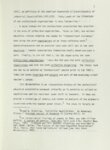
Show 49 The NEA-Affiliate movement, seeing that policital control is necessary in order to get what it wants for teachers, has sought political power and influence. seeking direct power at the bargaining table, promoting political activism involved in the of political government who wi 11 movement now It has not among teachers process of be "fri endly" encourages teachers to so but has done it to the teachers for The associations now holding public It would be systems could be a are very proud of by that they become I, on all cause. political office level with the thought that somehow the teaching helped. done this by only electing officials run openly profession levels 12 The at any will be the number of teachers office.13 very convenient situation indeed if educational run by having board members make the basic what-to-do decisions and by having teachers make the how-to-do-tt decisions. Translated, this would mean that boards would make decisions while teachers would make the educational organization, referred to in purely political One ones. Chapter II, which fonned as a reaction 12As an example of increased political activity, in 1976 for the first time in its history, the NEA frequently endorsed a presidential candidate. Also, portions of the NEA Reporter are devoted to telling NEA members not only that they ought to involve themselves politically, but how to do it. See NEA Reporter 15 (June 1976). 13For example, in September of 1964, the NEA Journal began pub"Teacher-Pol itician" article. Further, in 1975, a fellow teacher and I were elected to the city councils of our separate cities. Within two days the UEA Action photographed and interviewed us. An article followed which boasted of teacher involvement in politics. See "Educators Prove Popular in Utah1s Local Elections," UEA Action 1 7 ishing a (November 1975): 8. |