| OCR Text |
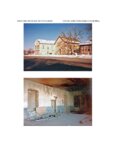
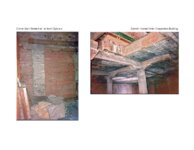
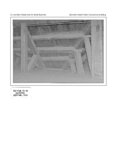
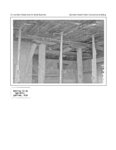
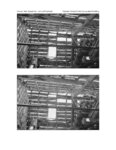
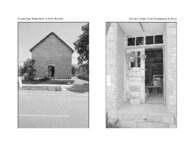
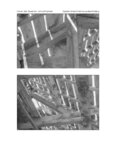
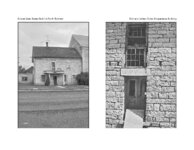
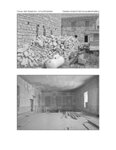
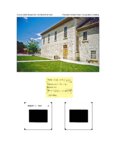
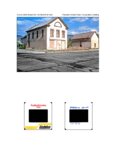
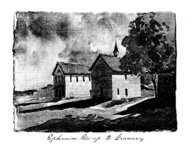
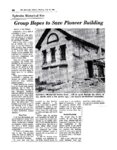
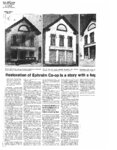
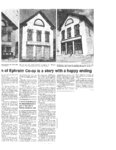
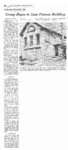
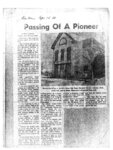
Show historical significance, and partly, returning to what I was saying before, it has to do with the Sanpete Valley, it's past and future. I am concerned about both the past and the future in the Sanpete Valley, and think both are wrapped up in buildings like the Co-op. Let me see if I can explain what I mean. A very good case could be made for the preservation of the Ephraim United Order Cooperative Store on the basis of its architecture and history. The building I~emains the best single example of the Greek Revival architectural style in Utah. Greek Revival buildings are recognized by their clean, crisp lines and pediment-like facades, and were prominent in all Utah communities during the pioneer period. Because they usually stood along main street, these early buildings were invariably torn down as the downtown areas grew. Salt Lake City, for example, had scores of fine Greek Revival buildings, but they are alJ (Jone. The Ephraim Co--op is the last monumental example of the style in the state, and its destruction would bring down a final curtain on this chapter in Utah's architectural history. Additionally, its massive king-post roof is an extremely rare surviving example of early nineteenth-century American building technology. The Ephraim Co-op is also historically exceptional . Built in 1872, it was constructed as one link in the statewide chain of Zions Cooperative Merchantile Institution (ZCMI) stores. The cooperative merchantile movement was established in 1868 to counter the influx of non-Mormon merchants that was expected in the state following the completion of the transcontinental railroad. The plan was for the Saints to establi~h a wholesale house or parent institution that would purchase all goods imported to Utah. In turn, each Mormon settlement would establish a cooperative retail outlet that would deal only with goods delivered by the parent institution in Salt Lake City. The facade of the main ZCMI store is preserved in Salt Lake City, but the Ephraim Co-op remains the best of the three cooperative stores that remain and the loss of th(~ Ephraim Co··- op would (~ffectively erase the matel~ial recol~d of this important aspect of Mormon history. Additionally, the story of the Sanpete Stake Academy, better known today as Snow College, has its beginnings in the old Co-op . The Sanpete Stake Academy was founded in 1888 by the local branch of the LOS Church to provide better secondary school education in the valley. Until the completion of the Noyes building in 1909, both classroom and administrative functions were carried out in the Co- op. The history of Snow College and the history of the Co-op were for many years, then, one and the same. There are, as I say, very good architectural and historical reasons for preserving the building. But no matter how effectively these points are argued, they will always fallon the deaf ears of those who simply do not like old buildings (my mother is one of these people; she grew up in an adobe house and doesn't much care if she sees another one). Even those who would like to see the Co-op saved dispair when having to build their case upon something as intangible as history. After all, I can hear many of my Sanpete friends saying, we've got enough history around here already, what we need are jobs! At first glance. there seems little connection between history and jobs . can saving the United Order Co- op, or any old building for that matter, How |