| OCR Text |
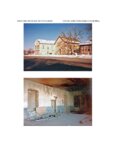
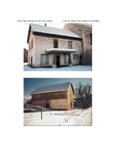
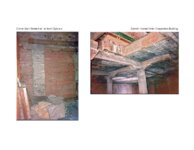
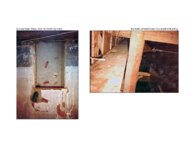
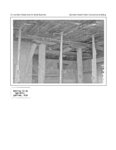
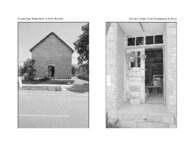
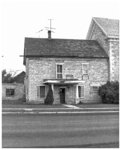
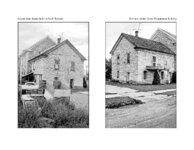
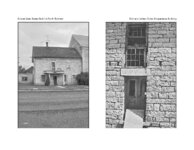
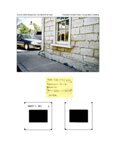
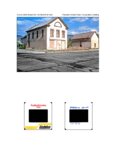
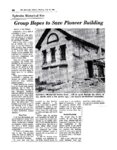
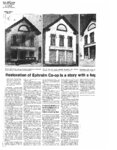
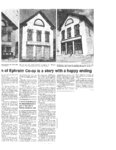
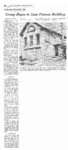
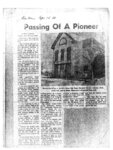
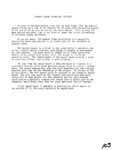
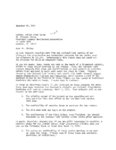
Show NATIONAL RE~IST E R NOMINEES Apri 1 12, 1972 Sanpete County: 1. Ephraim Co-operative Store 8uilding" Ephraim. Construction of this building began in 1871 and was com~leted in 1872. The building material is Sanpete Oolitic Limestone. The exterior of the building had two distinguishing features which branJed it as a co-op store ; the name " Ephraim C.O. !'1 ercantile Institution'l and a beehive encircled by the words 111101 iness to the Lord. I I The second floor of the bui Iding was used as a recreation and reI ief society hall. In 1883 the bui Iding became th~ first home for the Sanpete Stake Academy , which later became Snow College. The co-op store was an integral part of the tiormon Cooperative movement - a mov ement designed to counteract the increasing number of !l gentile merchants l l settling in Zion and the economic challenges of the Transcontinental railroad. The Ephraim Co-op building is one of the best remaining examples of the 150 local co-operative stores established between 1868 and l B78. Its multiple use for Pionee r recreational , social and educational purposes enhances its historical significance. The building is presently owned by the Sanpete Development Corporation who are seeking its preservation and restoration. Submitted by Sanpete Development Corporation ; researched by Mr. and Mrs. Richard Nibley. Carbon County: 1. Hellenic Orthodox Church l'Assumption" . 61 South 2nd. East , Price, Utah. This lovely Byzantine Style Church was dedicated August 15 , 1916. It is the oldest Greek Orthodox Church in Utah in continual use. Architecturally, it is a good example of the Byzantine style , in which the dome rests on a square supported by four pillars. The Church is significant as a monument to the contribution of the Greek immigrants of Utah. It was built wh en many people regarded the Greeks and othe r Southern and Eastern Europeans as an inferior people and a menace to America. To the 3 , 000 Greeks who went to Carbon County between lQ04 and 1916, the Church symbolized the permanent settlement they had made. |