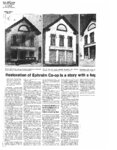
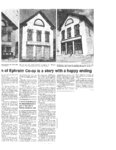
| OCR Text |
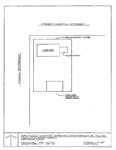
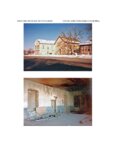
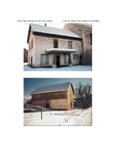
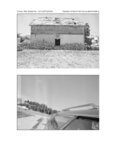
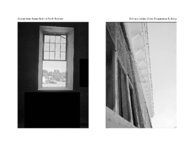
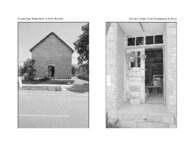
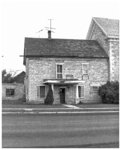
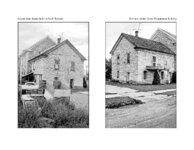
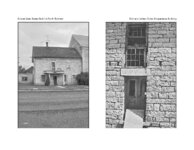
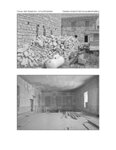
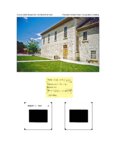
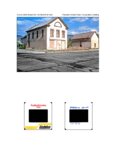
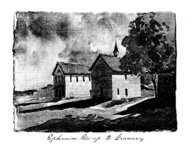
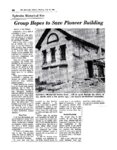
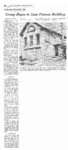
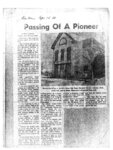
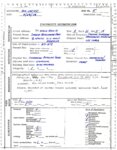
Show J: 6/~ Ai2c>-~ ct ~~~ 96 North Main. Ephraim These two large, two-story, stone structures were built in 187174 as a cooperative store and granary. An early photograph shows an inscription over the door of the main building, " Ephraim U. O. Mercantile Institution" (U .O. referring to the " United Order," a Mormon cooperative economic system) . This co-op is a fine example of Greek Revival styling, enhancing an otherwise vernacular structure. The bracketed cornice and cornice returns, pilasters and formal , symmetrical facade are typical of the period. The smaller granary bUilding on the south side was operated by the women 's Relief Society as part of their "grain saving mission." It was later converted into a flour mill. The granary is an untrimmed vernacular structure. The main floor of the co-op housed a mercantile store with food products, farm implements, clothing and produce. There was also a separate post office. In May 1978, the Salt Lake Daily Tribune refers to the women of Ephraim taking their eggs and butter to . the co-op to trade for needed supplies. Later, the first floor was used for many commercial ventures including farm equipment sales, a garage, a mill and storage building for grain. The second floor of the building had an outside stairway up to the Relief Society Hall, a center for town gatherings, dances, plays and meetings. The first classes of Sanpete Stake Academy (now Snow College) were held there in 1888, and it was also used for an elementary school. Ephraim's first silent movies were shown there, as well as C. C. A. Christensen's "Panorama." Both buildings were restored in the early I 990s and reused as a handicrafts store, meeting hall and art gallery. 98 |