| OCR Text |
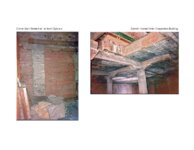
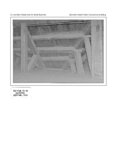
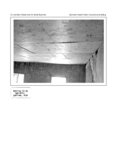
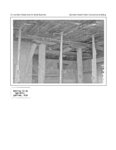
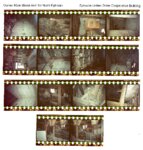
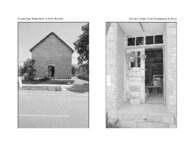
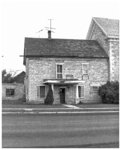
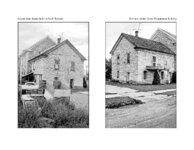
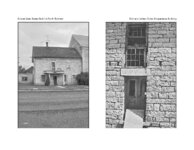
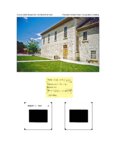
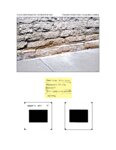
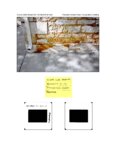
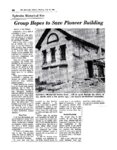
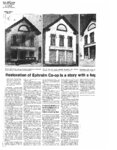
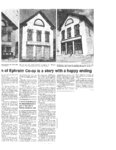
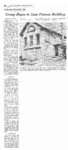
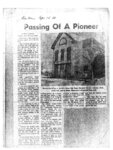
Show EPHRAIM CO-OPERATIVE STORE BUILDING In the late 1860's Mormon connnUnities were faced with the challenge of an ever increasing number of "gentile merchants" settling in Zion. The coming of the railroad in 1869 threatened to enslave the Hormons with an economic bondage that had hot been possible before. In response to these challenges church officials developed plans which culminated in the cooperative movement. (1) The basic philosophy of this movement was essentially: The Latter-day Saints should not trade with "outsiders; " (2) A co- operative wholesale house or "Parent Institution," should be established in Salt Lake City which would purchase all goods imported into the territory for sale; (3) Co-operative retailing establishments should be established in each ward and settlement, and these should patronize the parent wholesale house in Salt Lake City, and also control the trade within their respective communities; (4) the retail stores should use their profits in establishing local shops and factories which could supply the peoples wants.! The first step in the cooperative movement was the organization of the Parent Store, Zion's Co-operative Mercantile Institution, on October 24, 1868. Within the next 10 years more than 150 local cooperatives were founded. 2 Perhaps the best remaining example of a local co-operative store is the old Ephraim Co-operative Building. Construction on the building began 3 in 1871 and was completed in 1872. The building was constructed of native stone and its front had two distinguishing features which branded it as a co-op store. The name "Ephraim fl. o. Mercantile Institution" and a bee- hive incircled by the words, "Holiness to the Lord. ,,4 |