| OCR Text |
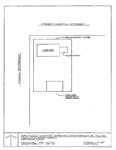
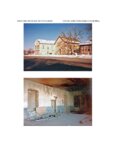
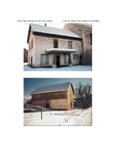
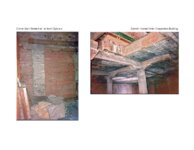
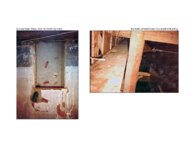
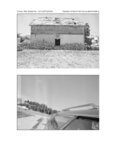
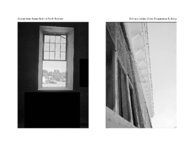
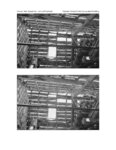
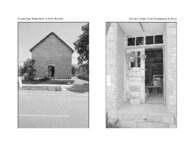
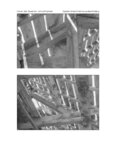
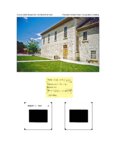
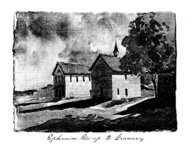
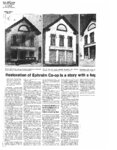
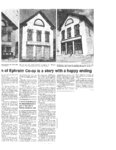
Show continued from page 6 rants, bed and breakfast and lodging facilities, crafts stores and related businesses. These assumptions were based more on expectation and guesswork than hard fact, but they were used in a third and su~cessful presentation to the cm. Presenters Bob Stoddard, Sandra Lanier and Lynn Shiffman walked away from the February , 1989 cm meeting with a commitment of $330,000 for project funding. Cooper/Robens Architects, a finn specializing in historic building restoration, designed the restoration and prepared construction documents which called for returning the exterior and interior to their original appearances. Several old photographs proved very helpful in this endeavor. Structural upgrading to stabilize the badl y weakened and deteriorated walls and floors was ~ major part of the scope of work. Paulsen Engineering and Construction, a local general contracting finn also widely experienced in restoration work, completed the project in time for Scandinavian Days in May, 1990. A highlight of the restoration was Kathy Peterson's repainting of the lost sign panel and Monnon symbols, all matching the original appearance as evident on a c.1872 photo. More than 1,200 people signed the guest register during the first day the Co-op was open for tours. Later, after the ,co-operative store had moved in, the CIB members made a two-hour-long trip to Ephraim to see how their funding had been spent. The Board members were impressed not only with the quality of the restoration but also with the fact that the store was generating enough. monthly income to retire a conventional loan had a bank ben willing to risk such a loan. The projections and representations made by the City, speculative as they had been, were proven valid. Success breeds success and the field of historic preservation is no exception to the rule. The Co-op restoration was an overwhelming success and served the catalytic function anticipated. Those involved with the first project now turned their attention to the Granary and the open land between and around the two buildings. Since the co-operative scheme had worked well, and since there were several artists in the county, a plan was.devised to create an artists co-operative gallery, 7 museum and studio to be housed in the Granary. A substantial two-story vernacular stone structure with a basement and an open truss attic area, the Granary seemed ideally suited for its intended new use. It was also in better structural condition than the Co-op and could be restored at a smaller cost per square foot. Plans were made to develop the open space between the buildings into a public counyard. The land east of the Co-op would be used for parking while all of the land surrounding the buildings would be landscaped. The CIB again seemed to be the most likely source of funding. Another presentation was made, this time by Mayor Robert Warnick, Bob Stoddard, Kathy Peterson, and architect Allen Roberts. A ware of the success of the first project and impressed with the communitywide support for what was now being called Ephraim Town Square, the CIB decided on the spot to award a low interest loan of $320,000 to finish off the project. Designs and plans were prepared by Cooper/Roberts with Craig Paulsen's construction finn involved again in the restoration work. The greatest difficulty presented by the new project involved internal questions over whether to reconstruct the long-missing octagonal cupola (a cost consideration), and whether to preserve the non-original but historic milling equipment inside the Granary. Some wanted to retain the pulleys and shafts, cleaners and sifters, grain elevators and related equipment, to make a combination milling museum/art gallery. Others felt that too much of the apparatus was gone or damaged to justify a convincing flour milling display, and the remaining equipment would take space needed for the gallery. After many walks through the building and agonizing over possibilities, it was reluctantly decided to remove and store the milling machinery in favor of a single-purpose arts facility. The magnificently trussed attic was left open and exposed to the second floor gallery. An opening through the second floorto the main level created a dramatic interior in which a viewer on the first level could see the entire vol ume of the continued on page 8 |