| OCR Text |
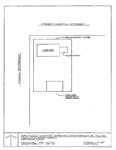
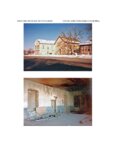
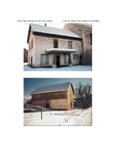
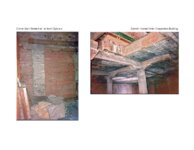
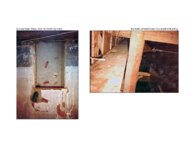
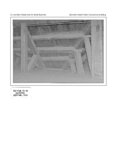
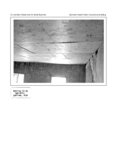
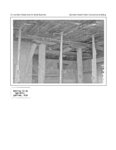
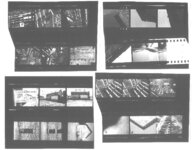
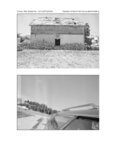
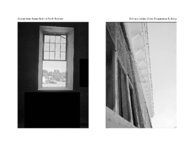
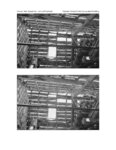
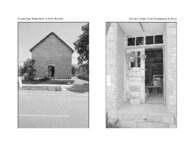
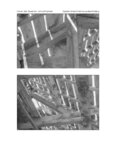
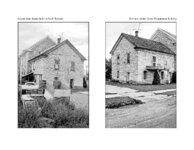
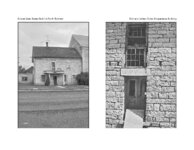
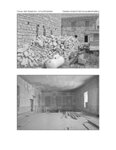
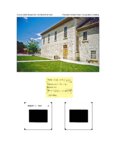
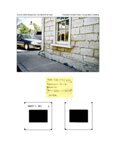
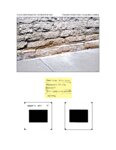
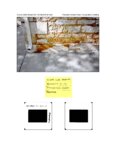
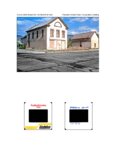
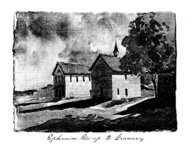
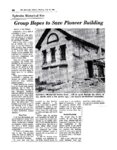
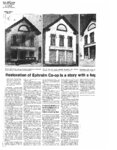
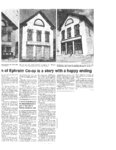
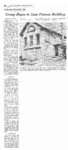
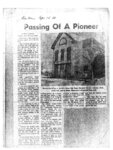
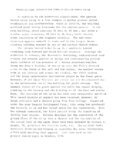
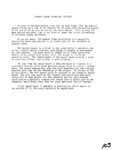
Show ARCHITECTURAL DESCRIPTION EPHRAIM UNITED ORDER CO-OP In addition to its historical significance, the Ephraim United Order Co-op is a fine example of middle pioneer period architecture and craftsmanship. Built in 1872-74, the building utilized local oolite limestone for its superstructure. To the main building, which measures 35 feet by 65 feet, was added a similar stone structure, 30 feet by 36 feet, built shortly after completion of the original building. The two-story structure appears mammoth in scale and is the largest known existing building erected by any of the various United Orders. The Ephraim United Order Co-op is a stylistic hybrid combining both Federal and Greek Revival elements. Although the architect is unknown, the decorative detailing, sophisticated roof trusses and overall quality of design and craftsmanship provide ample evidence of the presence of a master architect-builder. Among the finest features of the co-op were the finely dressed stone in the field of the wall and the quoins, the moulded wooden trim in the cornice and around the windows, the 12/12 windows and the large semicircular inscription plaque in the front gable. Remnants of all these features are extant but are deteriorated due to the unfortunate use of the building for grain storage. The outward thrust of the grain against the walls has caused bulging, cracking in the masonry and the bricking-in of the door and window bays. The interior of the co-op has also been extensively modified. This recent history of neglect has been reversed, however, by local citizenry and a theatre group from Snow College. Organized under the name Sanpete Development Corp., this group has purchased the historic co-op and has raised money for its restoration. Work has already commenced, the first project being the repairing of failing roof trusses. Working drawings for the conversion of the ground floor of the co-op into a theatre and the restoration of the social hall on the upper floor have been prepared by Wallace N. Cooper, II, architect for Historic Utah, Inc. The National Parks Service's Grant-in-Aid Program is assisting the local restoration effort with matching fund support. Full time work on the project should begin in October, 1976. |