| OCR Text |
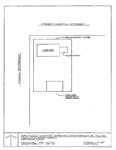
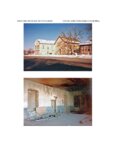
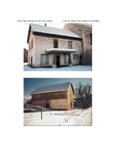
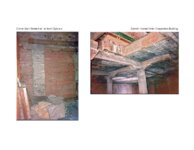
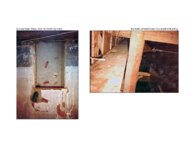
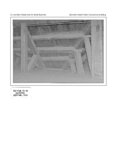
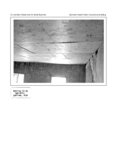
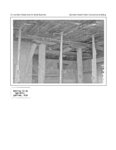
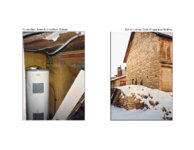
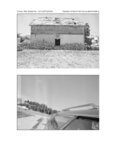
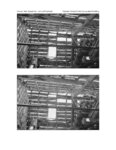
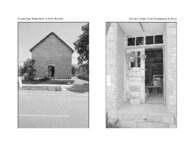
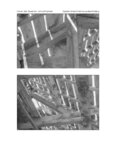
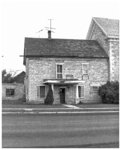
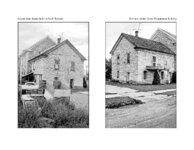
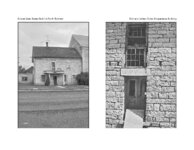
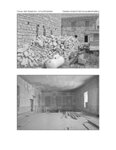
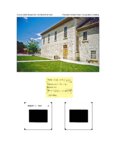
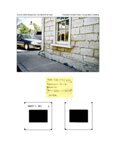
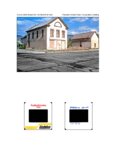
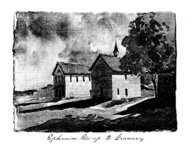
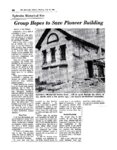
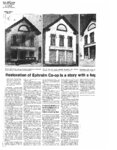
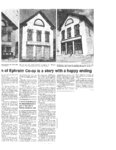
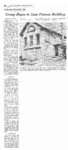
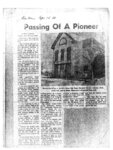
Show 38 The Salt Lake Tribune, Monday, July 28, 1969 Ephrahn Historical Site Group Hopes to Save Pioneer Building Special to The Tribune EPHRAIM - It's a kind of chronology in stone. Its century-old walls epitomize not merely the economic a nd social history of Ephraim, but also of the state. That is why, when a number of citizens saw a crew begin to raze the Pioneer Society Granary they resolved to save it if they could. Headed by Richard Nibly, Snow College: faculty member, they organized the Sanpete Develo p melT t Corporation and began to raise funds. "Thus far we've been very successful," Mr. Nibley, now president of the corporation," said. "We've signed a contract for the purchase of the building, have made the first payments and have begun to m ake plans for its development. Thos e plans include several possibilities - gourmet restaurant, art gallery, pioneer handicraft shop, museum, pioneer gardens. " Other areas of the country seem to cherish their pioneer buildings, but in Utah we have been letting too many of ours disappear. Architects who have studied this building speak well of it - they praise its stone-work and the great hand-hewn trusses which arch two stories above the ground floor," Mr. Nibley said. "This building is too much a part of our heritage to let it disappear into the maw of time. We are resolved to preserve it in some worthwhile, modem function." ty Granary. After a few years the two Ephraim's 100 - year- old Society Gran, ary, almost razed a few months ago, r-- ______~_------------ -- , !\fany Uses III its time the building, one one of Ephrilim's better Main Street corners, has housed a co-op, a social hall, a theater, an academy, a farm machinery store, a Relief Society meeting place, a school and a rolling mill. In (I way, it is three buildings in one. The principal . wing was built in 1880-81 of limestone dug out of the foothills southeast of Ephraim. Its main floor was first occupied by that fa miliar pioneer institution the co-op, which dealt in general merchandise, traded in hay and grain, accepted legal currency, along with such items as butter and eggs, and issued script. Shortly after the building was completed the Relief Society bought the second floor, reached by an outside stairway. It was used not only as a meeting place, but also as a social center where dances were held , amateur threattricals presented and school children attended classes in :subjects like penmanship and elocution. In 1888 the Sanpete Stake Academy was organized and the Relief Society rented the second floor to the academy board of education. In time the academy became Snow Academy and moved to new quarters and in time Snow Academy became Snow College. Second Beginning The second wing of the building, 60 feet from the main wing, likewise had an independent beginning. It was also constructed in the pioneer period of the native stone. In time the Relief Society acquired this building, used it to store grain against hard times and thus gave it its pioneer name - the Socie- stone buildings were connected by a brick middle sec- I , cv tion and until recently housed a roller mill. I will be saved through the efforts of the Sanpete Development Corporation. _________ _ _1_ _ I, . 1, _J |