| OCR Text |
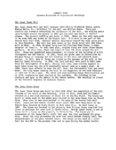
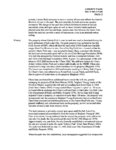
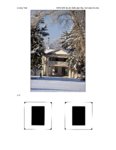
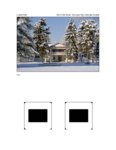
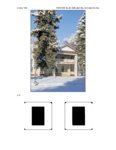
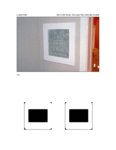
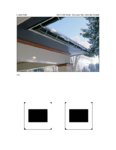
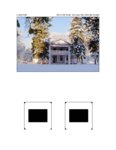
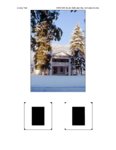
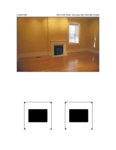
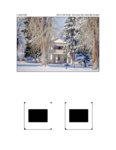
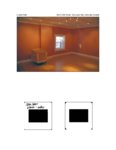
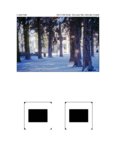
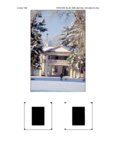
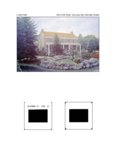
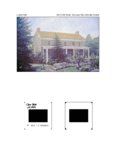
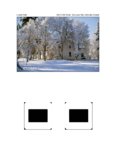
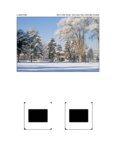
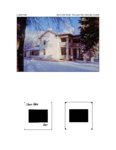
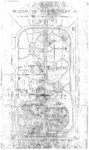
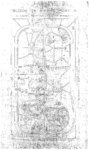
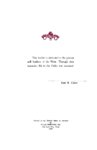
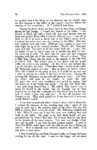
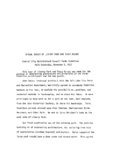
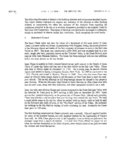
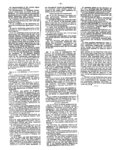
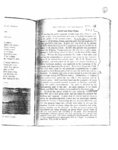
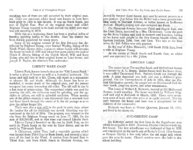
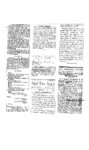
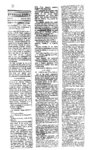
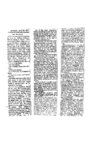
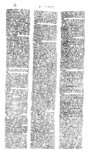
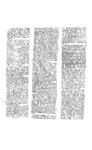
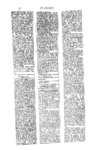
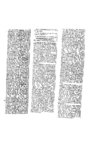
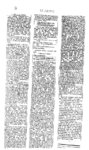
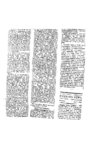
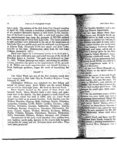
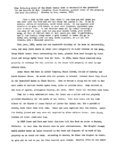
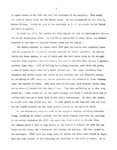
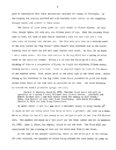
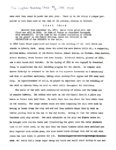
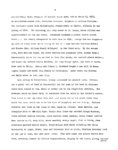
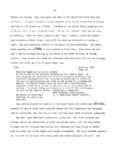
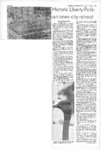
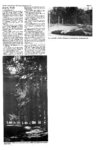
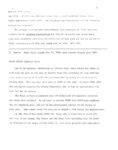
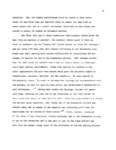
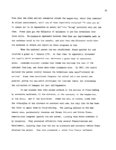
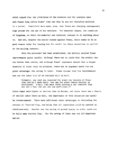
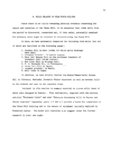
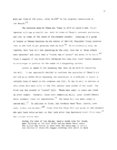
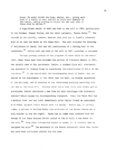
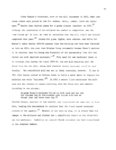
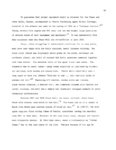
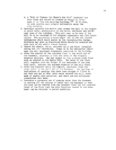
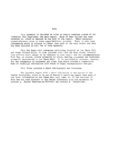
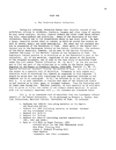
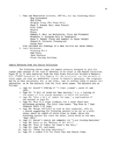
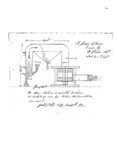
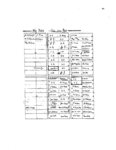
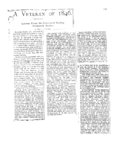
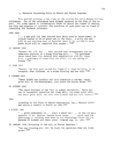
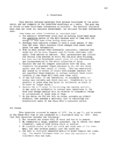
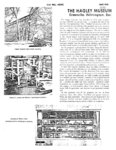
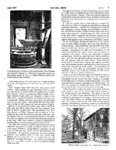
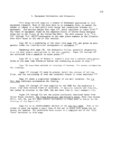
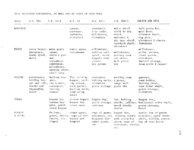
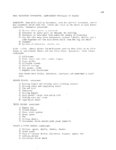
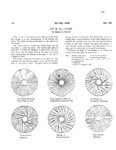
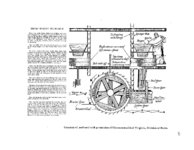
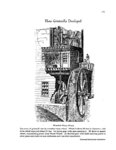
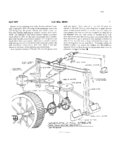
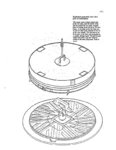
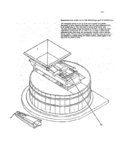
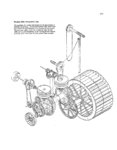
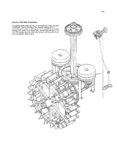
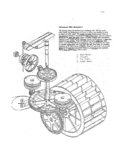
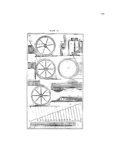
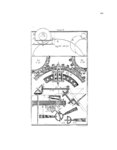
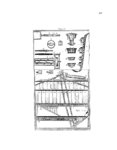
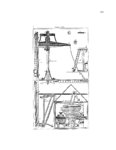
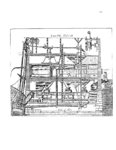
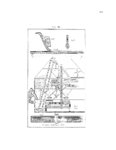
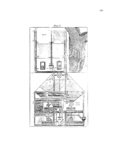
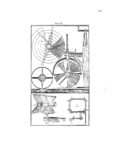
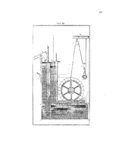
Show 186 01.0 Mlll NEWS 14 July. 1973 ART ON MILL STONES By Stephen M. Straight There is Art to be found in the dressing of tl)e Grist Mill Stones or in the arrangements of the furrows and lands. The lands are the raised parts on the surface of the stone~ The bottom stone is called the Nether Stone and the top stone is called the runner. The furrows and lands on each pair of stones run opposite to each other. The purpose being that the sharp edge of the lands will cross each other so that the action on the grain is like that of a gigantic shear. The furrows ventilate the stone sp the grain will not overheat and also for the grain to travel out to the outer edge of the stone or skirt. The grain starts its j oumey Late Roman Dressing Fourth Century A.D. Three Quarter D.essing through the eye of the stone. The stones must never turn unless there is grain between or the sharp edges will get knocked off. Anyway there is a very thin space betwee n stones . A turn screw adjusts this space. By rubbing the flour between thumb and finger, the miller tests for fine ness and the turn screw is adjusted accordingly. Following are some of the designs or art forms tha t furrows and lands make on mill stones. Refs. British Water ~1ills. Flour for Man ' s Bread by Leslie Syson. by Storck and Teague B.I. Batsford Ltd . Pub!. Univ. of Minn . Press 1952 4 F itzhardinge St. Portman Sq. London. W I England 1965 From Leupold, Theatrum Machinarium Molarium 1735 Strci ght or Union Dressing ',wo furrow or Two Quarter Dressing F our Quarter Dressing |