| OCR Text |
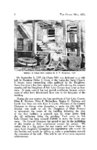
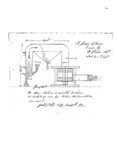
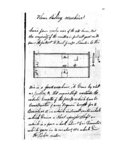
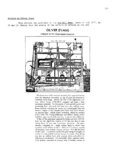
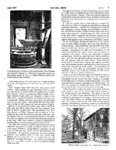
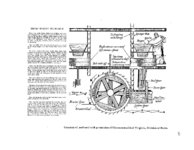
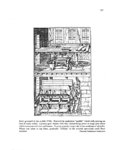
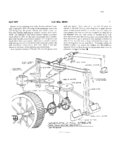
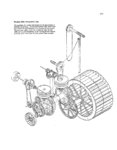
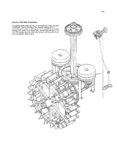
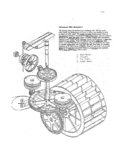
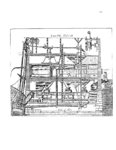
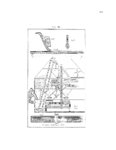
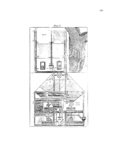
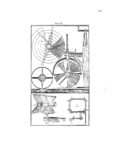
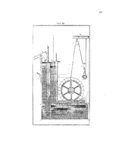
Show 21 practical. Yet, the simple contrivances which he claims to have intro- duced for the first time are employed today in ~lmost the same form in every modern mill and as a result the modern flour-mill is what Evans conceived it should be--almost an automatic machine. His first full use of these inventions--the conveyor (which moved the meal from one machine to another); the elevator (which moved it from one floor to -another); and the "hopper-boy" (which spread the flour for cooling)-was not until 1795 when they were finally introduced to the Brandywine area. Evans says that, meeting with certain difficulties in constructing the machines, he applied for aid to the Brandywine millers. They refused to. help him, for they could not believe that a man not bred a miller or millwright could make lasting improvements. Evans then applied for patents to the state legislatures and acts were passed which gave him exclusive rights in Pennsylvania, Delaware, Maryland, and New Hampshire. He then removed to Philadelphia, where, "In order to increase his dealings and correspondence with the millers, he kept for sale bolting cloths, and established a manufacture of burr mill stones •.• ,,15 Having made models and drawings, he sent out agents with them, offering the free use of the inventions to the first miller in each county who would put them into his mill. Even this plan worked very slowly, the millers being skeptical; they "would ask i f the Brandywine millers had adopted them, and an answer in the negative was convincing proof that the improvement was not worthy of their notice.,,16 Evans, however, convinced of the value of his inventions, finally persuaded one of the Brandywine millers to put in the inventions and so was able to call in the other millers and give them the needed visual proof of the efficiency of his new milling methods. |