| OCR Text |
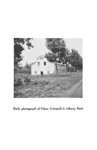
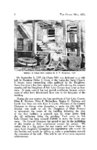
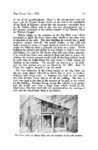
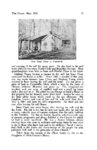
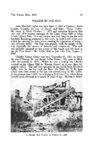
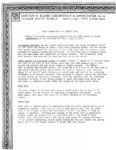
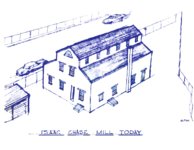
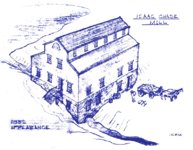
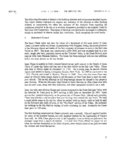
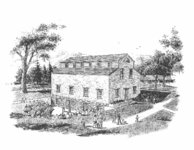
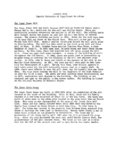
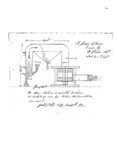
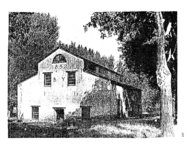
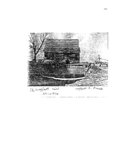
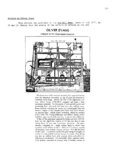
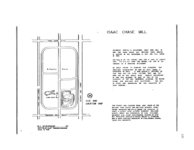
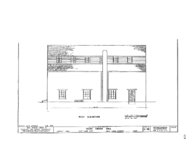
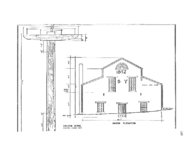
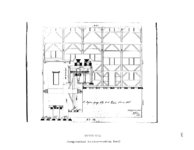
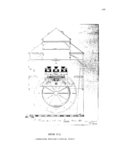
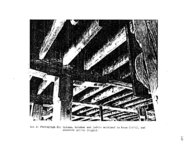
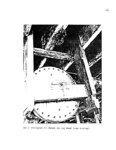
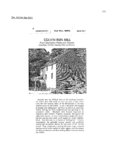
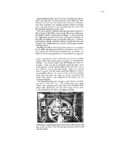
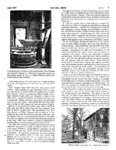
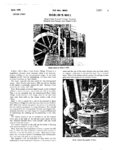
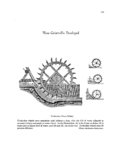
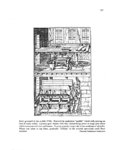
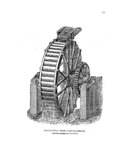
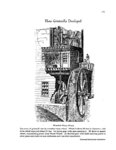
Show 35 marketable lumber. personal use. 30 A side benefit was being able to produce lumber for his From such lumber Isaac constructed a temporary shanty of boards for his family to live in. house. Shortly thereafter he built a more permanent log 3l His next project was constructing the "first little primitive flour mill. ,,32 We are without a description of this mill, but presumably it was a simply-made frame building. It has been said that it was "a rough plant for grinding corn •.. and the bread made from it was brown." 33 In the pioneer era, it was critically important that agricultural needs take top priority. Chase was soon to find himself in competition with other millers who had come to Utah well equipped to build. The first of these was Charles Crisman who erected a "chopping mill" in the mouth of City Creek Canyon during the winter of 1847-48. early in 1848 up Mill Creek Canyon. ing mill" in Utah. 35 34 The second was John Neff, who built This has been called "the first flour- The primitive Chase mill, built onto or near his sawmill, was t h e t hi r d suc h i n t h e . terr~tory. 36 From the beginning, Chase was somewhat disadvantaged because his mill was not located near a steady, high-quantity source of moving water. Whereas Crisman and Neff could obtain power easily, Chase had to use exertion and innovation to achieve even marginal results. Chase was in production in time for the wheat harvest of 1848, and was known to have supplied flour by 1849. 37 He is credited with a generous and devout nature and frequently helped others who were getting settled: In time of famine he furnished thousands with breadstuff. At the time of the cricket visitation, he offered up the prayer in the Public Meeting, which was followed by the destruction of the crickets by the gul1s.38 Because of the gentle slope to Chase's land, and the lack of an impressive water source, it must have been difficult for Isaac to determine |