| OCR Text |
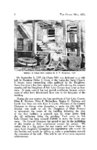
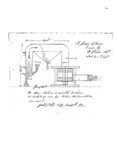
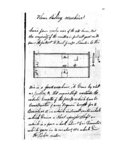
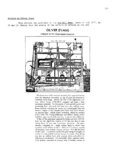
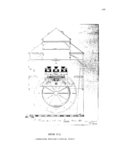
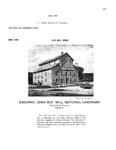
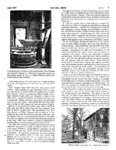
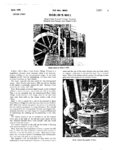
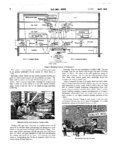
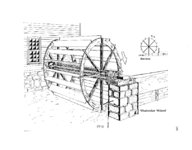
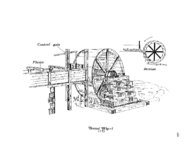
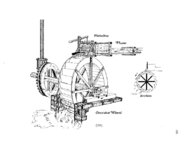
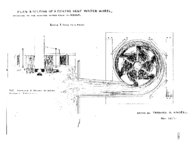
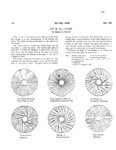
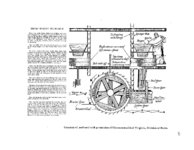
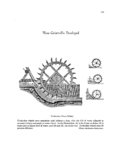
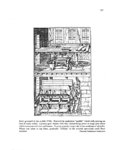
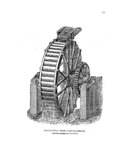
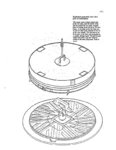
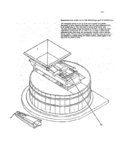
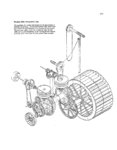
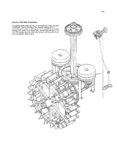
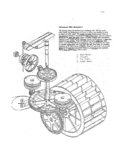
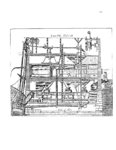
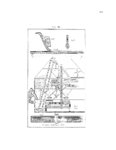
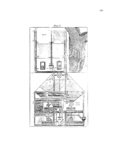
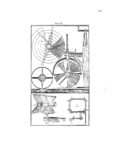
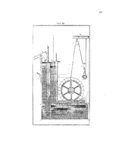
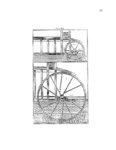
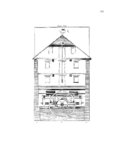
Show 17 nether was expected. After 1860, machines were aY.ai1able for the dressing of stones, but in the earlier period, the mills depended upon highly skilled stone dressers who went over each run with proof-staff and pick. The wheat passed from a hopper suspended above the millstones through an opening in the upper stone into the space between them, whence, after being ground, it dropped into another hopper beneath, as "meal" or "chop." From the hopper it passed to the cooling rooms and then to the bolting apparatus. In smaller mills this consisted of a single, revolving cylindrical or hexagonal reel about twenty feet long and approximately thirty inches in diameter, covered with "bolting cloth." of three differing degrees of fineness on the reel. finest cloth; at the foot, the coarsest. Usually there were cloths At the head was the The reel was slightly tilted toward the lower end, so that "in revolving, the flour passed through the finest section, the mid-section produced the "returns,1I the product called "shorts" came through the coarsest cloth, and the bran tailed over the end. The "returns" went back to the upper end of the reel for further separation and the tailings to the millstones to be reground. In the larger mills there were likely to be several such reels, all enclosed in a wooden chest to prevent the flour from being blown about the mill. From the reel the flour was sent to the packing room where it was packed by hand into barrels or sacks. Most of the mills were mechanically of the simplest type. of capital prevented an efficient development of water power. The lack Only the smaller streams could be used; to dam on~ of the great rivers would require far too large an investment. Very often any dam was dispensed with and wooden flumes conveyed the water from the crest of the falls to the mills (a poor substitute). More commonly still , the undershot wheel was used. |