| OCR Text |
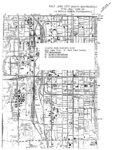
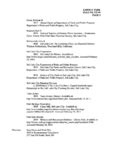
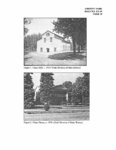
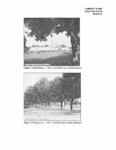
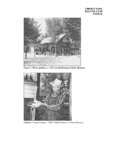
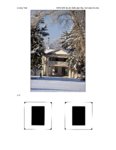
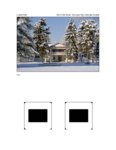
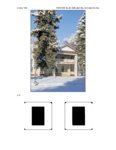
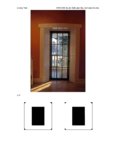
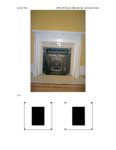
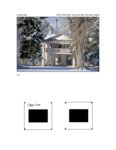
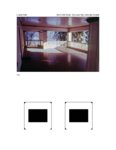
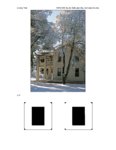
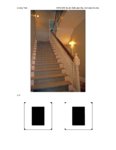
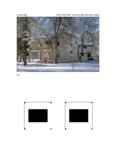
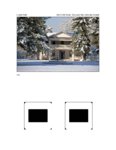
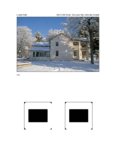
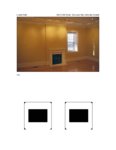
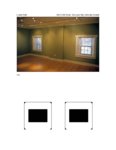
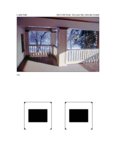
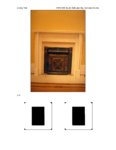
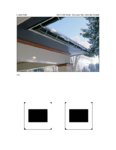
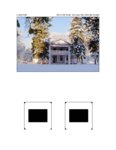
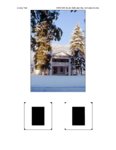
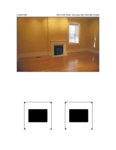
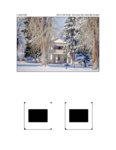
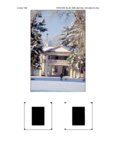
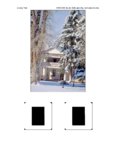
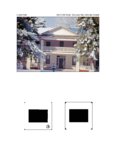
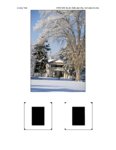
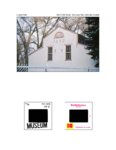
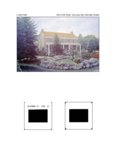
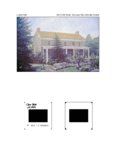
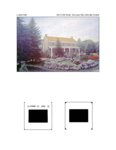
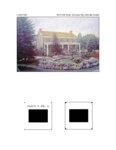
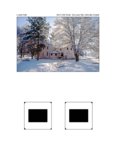
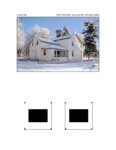
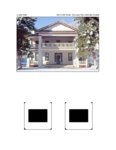
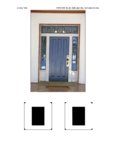
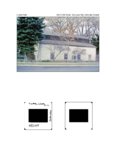
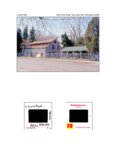
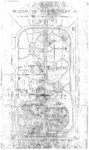
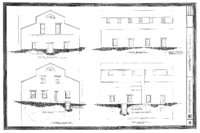
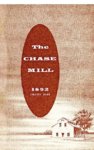
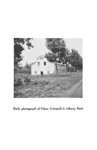
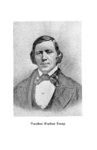
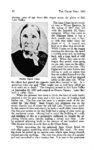
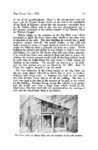
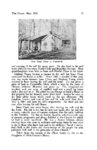
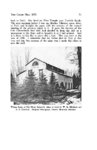
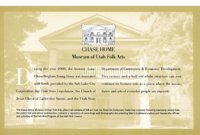
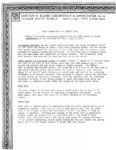
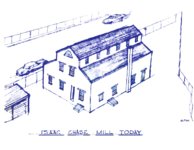
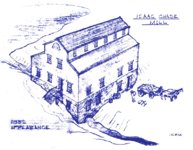
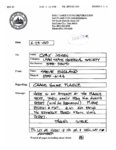
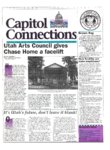
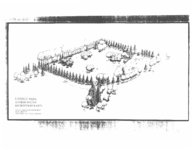
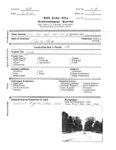
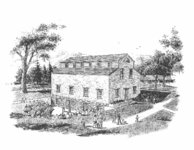
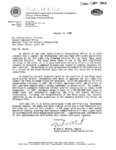
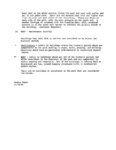
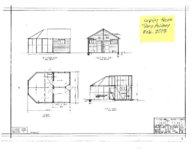
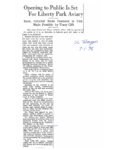
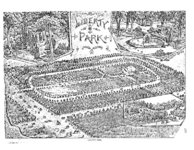
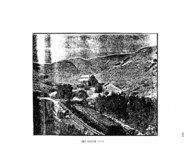
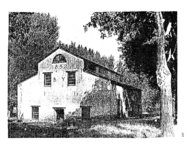
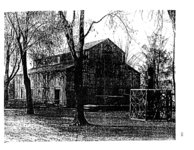
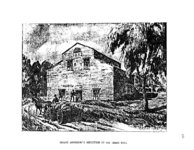
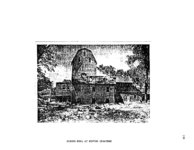
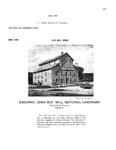
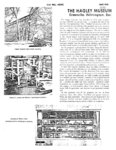
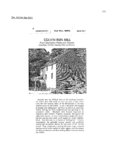
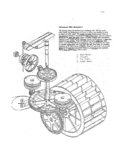
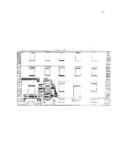
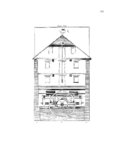
Show SENT BY : 6-23- 0 ;11:07AM; PUB SERVICES EN~ 95333503 ;# 21 4 Isaac Chase House The Isaac Chase House was once the center of a farmstead of 110 acres owned by Isaac Chase, a pioneer miller and fanner, in partnership with Brigham Young, the second president of the Mormon Church. The house, constructed c.l853 -1856 of adobe, is one of the few houses remaining from the 1850s in Utah. It is an example of the Greek Revival style popular with early Monnon builders. The symmetrical ~ade, smooth stucco, and boxed cornice with gable-end returns are all hallmarks of Greek Revivalism. The house was enlarged with two early additions in the rear, and later with the two-story front portico. Isaac Chase, his wife, and children emigrated to the Great Salt Lake Valley from Nauvoo, illinois. Arriving in September 1847, he brought with him his mill irons, four millstones, and other equipment needed to run a mill. Chase was assigned a five-acre plot in the original "Big Field Surveyn of 1847, which established farm plots outside of the residential plat of the city. He built his mill and home on the property and increased his holdings, buying adjoining land until the farm grew eventually to 110 acres. The first Chase home on the farm was a small board shanty. The Chases lived in this home until the present house was completed by 1856. During this time, Chase also built his mill, together with Brigham Young, who had purchased a part interest in Chase's land in 1849. The mill was constructed south of the house and still exists today. Isaac and Phoebe Chase lived in the house with their daughter, son, two daughters-in-law and four grandchildren until 1860. At that time Chase sold the house, mill and the rest of the property to Brigham Young, trading for property in Centerville. Chase died a year later. Brigham Young, Jr., and later other members of the Young family, lived in the house and ran the mill for their father. Over time, the mill ceased to be a productive enterprise, and by 1880 it was inactive. Brigham Young reportedly expressed desire that the city purchase the property 'i'or the lowest price" after his death. In 1881, the city paid the Brigham Young estate $27,000 for the farm. Liberty Park was built on the land and opened to the public in 1883. From that time until 1964, the Chase home was used as a residence for the Park Superintendent. The large two-story portico was added to the building, probably some time after 1916. From 1964 until the early 1980's the Daughters of the Utah Pioneers used the home for exhibit space and offices. Since] 986, the Folk Arts Program of the Utah Arts Council has operated the building as a musewn of Utah folk arts. Marker placed in 2000 |