| OCR Text |
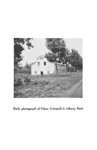
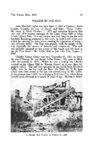
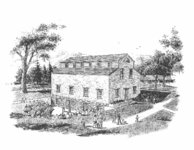
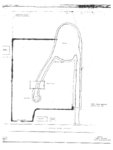
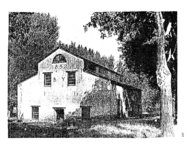
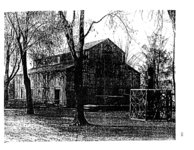
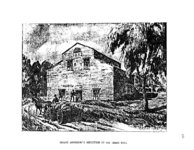
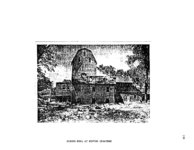
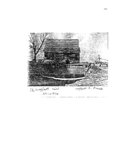
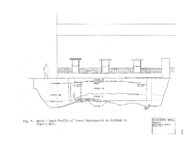
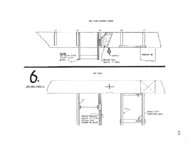
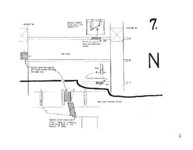
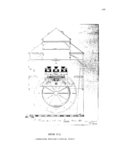
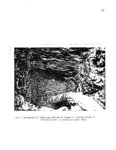
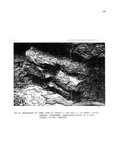
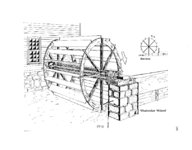
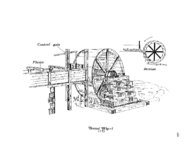
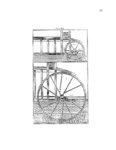
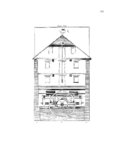
Show 9 to that of the archeologists, we may theorize that Level II was perhaps filled in when the site was converted to park use in the early l880s. Level III, according to the archeologists, may have been laid down through landscaping efforts when the mill was repaired in 1899. This interpre- tation seems consistent with photographs and other historical data. 6 Level IV was considered to be "the refuse deposition resulting from the 1899 repair activities at the mill. The stucco or hard lime surface underly- ing this level would suggest masonry construction activity." 7 Most of the materials retrieved from this layer date from 1895-1910 and were probably discarded by workmen on the job. 2. Archeologist's Conclusions The research report concluded as follows: The location of the mill wheel, pit and associated tailrace was probably on the north end of the mill outside the present structure. This conclusion was arrived at by process of elimination. The south end was eliminated ... due to the location of the entrance way, which, from historical photographs, was determined to be original~8 It was further stated that the possibility ... of the mill wheel being located inside the mill structure was eliminated since the stratigraphic profile between the south end and north ends of the building revealed no evidence of an associated tailrace. The basin portion of Level I and its extension to the north was probably associated with the tailrace extending from the mill wheel pit. This, being the deepest cultural level of the trench, would be the place to which water would naturally flow. 9 And it was surmised that a wheel of the size normally used by Kesler (fourteen to nineteen feet) would fit into a pit along the north wall and would be placed at a proper gradient for water to flow from the pond to the wheel. That the archeologist's remained uncertain about their findings is indicated by a |