| OCR Text |
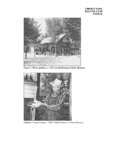
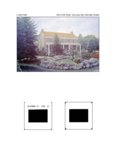
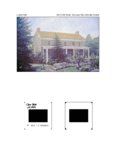
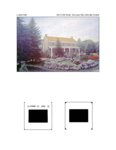
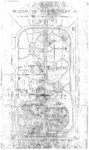
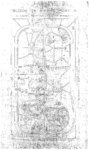
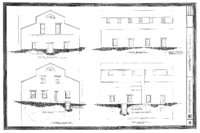
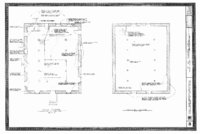
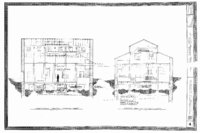
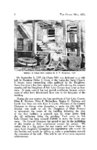
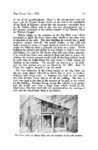
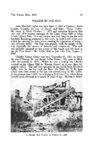
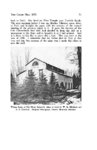
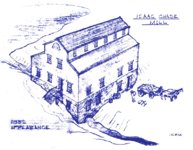
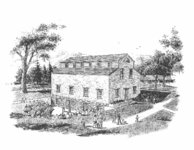
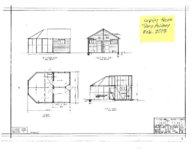
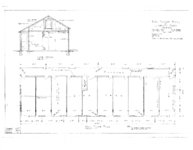
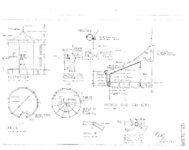
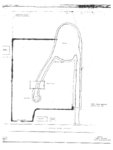
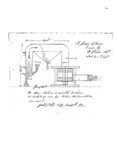
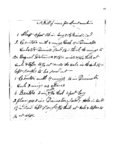
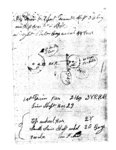
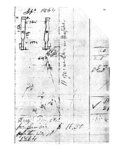
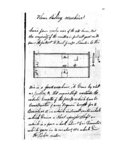
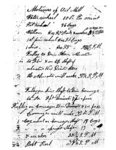
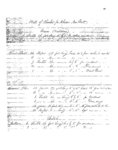
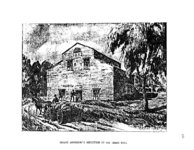
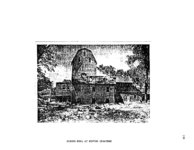
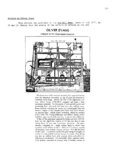
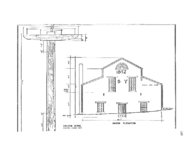
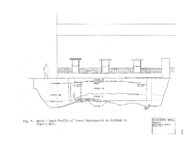
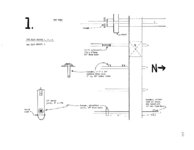
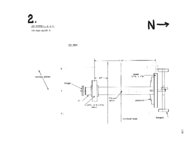
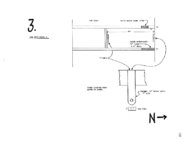
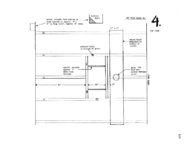
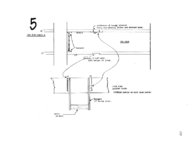
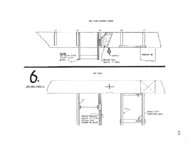
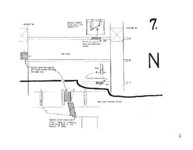
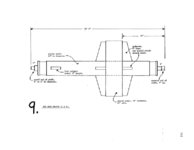
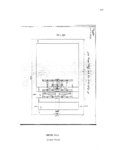
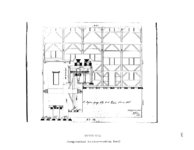
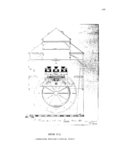
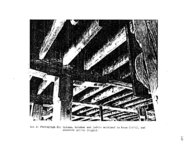
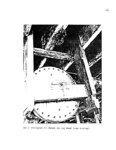
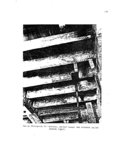
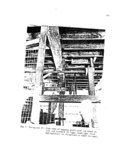
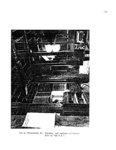
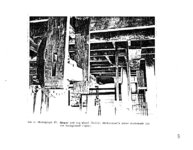
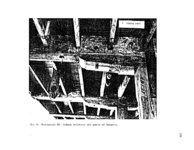
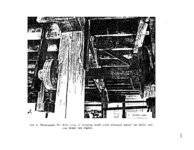
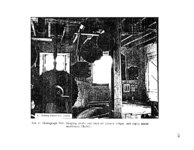
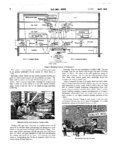
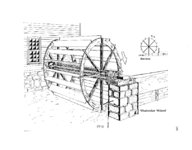
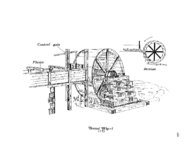
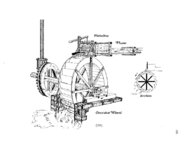
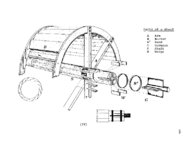
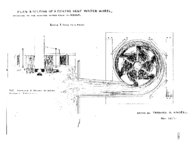
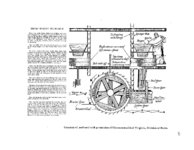
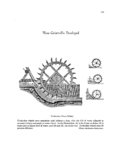
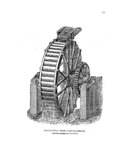
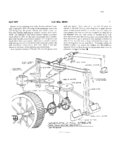
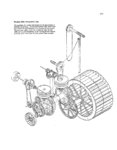
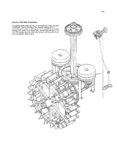
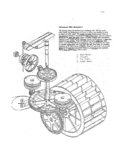
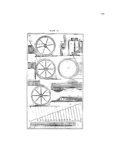
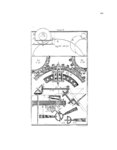
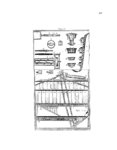
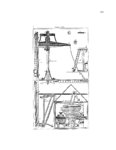
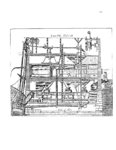
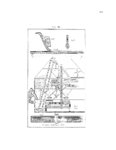
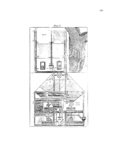
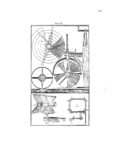
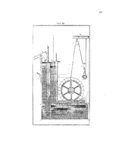
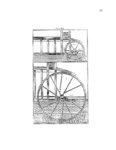
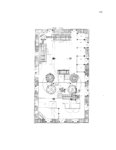
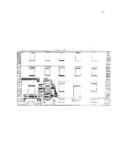
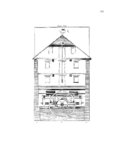
Show 31 parts. I made several hundred pounds of flour, the mill performing unto my entire satisfaction." After visiting the mill in October 1879, Kesler gave a more complete description of it. He said the location was one mile up City Creek, and that it was driven by a "powerful water wheel, 40 feet in diameter, made of iron which drives two run of 4 foot French Burr Stones ••• and has been in constant use ever since it was built (and) scarcely a tremor can be felt •.•• (It) turns out about 100 sacks per day; the flour is of the best quality." From a newspaper article dated 1927 we discovered that the principal business of the Empire Mill was the conversion of tithing wheat into flour. Here most of the flour sold at the tithing store on South. Temple and Main Streets was ground out from grain paid into the bishop's storehouse by farmers of the valley. Each tenth sack of wheat was set aside at threshing . and later delivered by the farmer as his tithe to the Mormon Church.25 The drawings of this mill give specific information which may, at least in general, inform us how Kesler typically designed a flour mill. The Empire Mill had the following elements which seem especially pertinent: (a) Inside water wheel thirty feet in diameter, five feet wide, wooden; located in the north end of the mill, having buckets and twelves arms or spokes; nature of wheel uncertain from drawings, but called by an observer of its destruction by fire in 1883 the largest overshot wheel in Utah; if an overshot, was supplied by water from an easterly direction; (h} Wooden pit wheel, braced into the main wheel shaft, twenty-two feet in diameter and about one.foot wide, having 192 cogs; (c} Main wheel shaft consisting of a wooden axle about twenty-four feet long (three feet in diameter), supported at both ends by wooden mounts and situated lengthwise in a north/south line along the center of the building; |