| OCR Text |
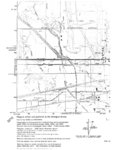
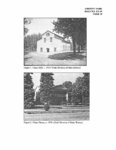
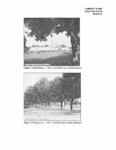
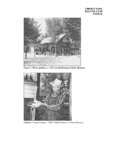
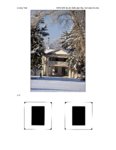
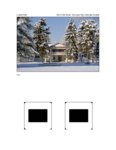
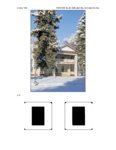
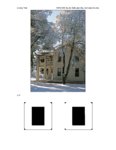
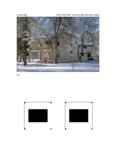
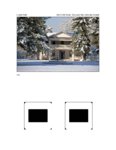
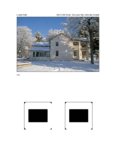
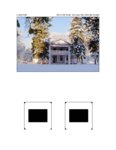
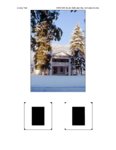
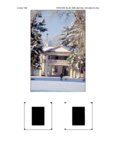
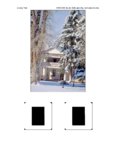
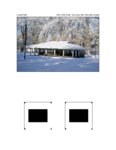
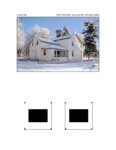
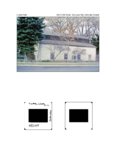
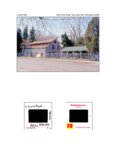
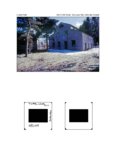
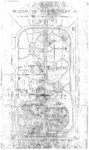
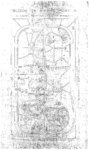
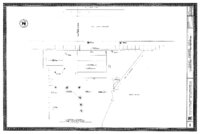
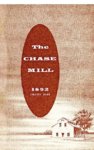
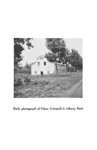
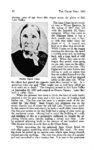
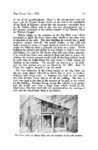
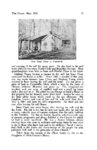
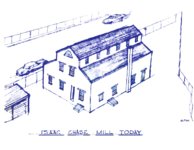
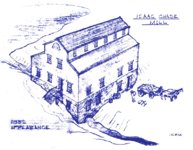
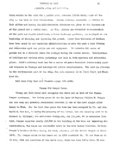
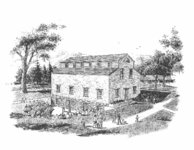
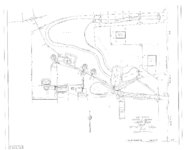
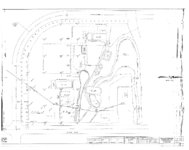
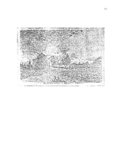
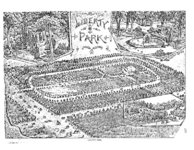
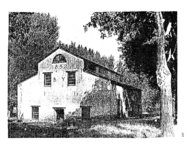
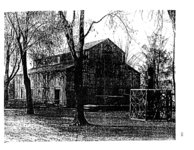
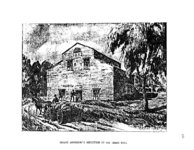
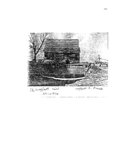
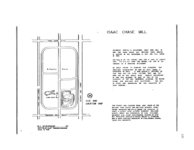
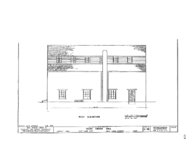
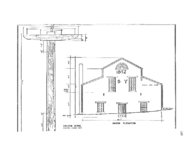
Show LmERTYPARK HALS NO. UT-## PAGE 7 Chase House began in 1999 and were completed by 2001 (Giraud 2001). Efforts to improve Liberty Park have succeeded-in making the park a popular Salt Lake City destination once again. The northern portion of the park consists primarily of open space, as well as picnic pavilions and a playground. Programmed uses in the northern part of the park are limited to several volleyball courts. The central portion of the park contains more programmed spaces for active recreation. Facilities in this area include tennis courts, a swimming pool, basketball courts, bocce ball courts, horseshoe pits, the Youth City program building, and the Seven Canyons water feature. The Chase House and carnival rides are also located in this area. The far eastern side of the central area is less busy with activity areas. It contains picnic tables and grills as well as open space. The open space includes a low rise known as Mount Gust that overlooks the southern part of the park. The southern part of the park is mostly occupied by Tracy Aviary in the west and Liberty Park Pond in the east. In the modem era, many changes have been made to Liberty Park. These changes include the construction of restrooms, a concessions building, Wilson Pavilion, and several monuments. Activity areas constructed during the modem era include the Seven Canyons water feature, playgrounds, and bocce ball courts. The lighting, fencing, signage, street furniture, and mechanical boxes in the park were also installed during the modem era. Several historic buildings in the park were demolished in the 1980s. New sidewalks and pathways through the park, including a mulch jogging track along the outside of Constitution Drive, have been constructed during the modem era. In spite of changes to the park during the modem era, Liberty Park continues to serve a variety of uses that reflects the historic diversity of uses in the park. The park provides for both active and passive recreation. The design of the park also reflects the historic intent to include naturalistic areas and open space as well as more formally landscaped and planted areas that now include large, mature trees that obscure city views from inside the park and provide a sense of remoteness, even in an intensely urban setting. Sources: Fohlin, Ernest Victor c. 1908Salt Lake City Past and Present. Self-published, Salt Lake City, Utah. Giraud, Elizabeth 2001 Bringing the Chase House Back to Life. Utah Preservation 5. Goss, Peter 1978 The Designed Environment: New Pleasures in the Park? Utah Holiday VII(9):28-29. |