| OCR Text |
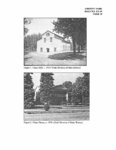
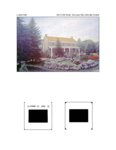
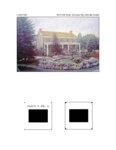
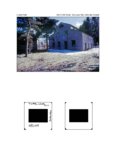
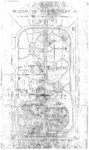
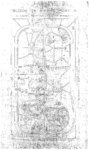
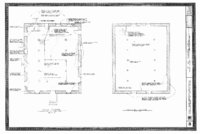
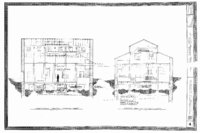
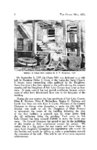
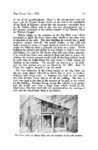
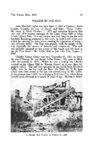
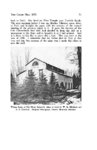
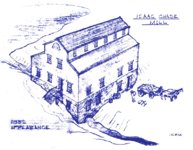
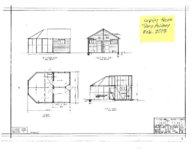
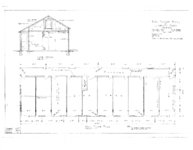
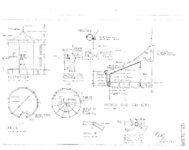
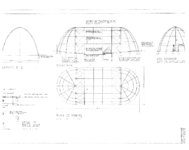
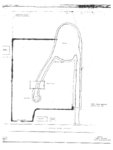
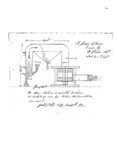
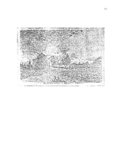
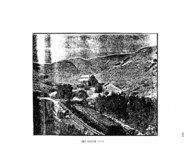
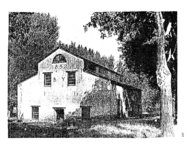
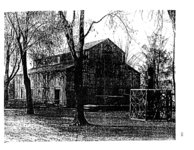
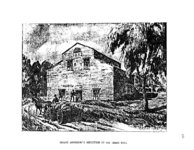
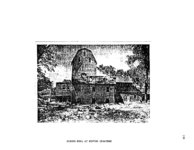
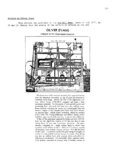
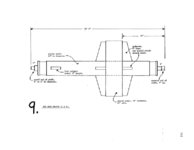
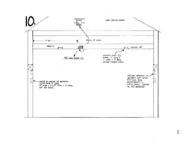
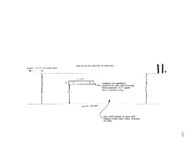
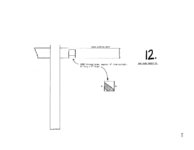
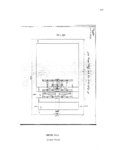
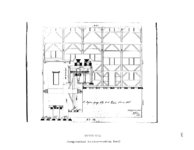
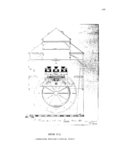
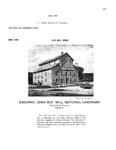
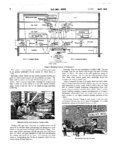
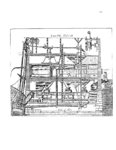
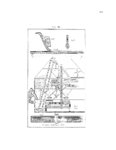
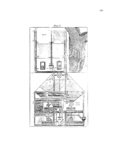
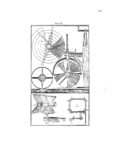
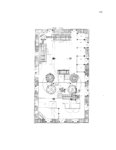
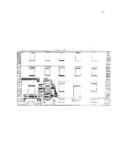
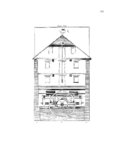
Show 30 milling machinery from his .Upper Mill into the Empire Flouring Mill, also located on City Creek. The Empire had a stone foundation wall, while the major super- structure was of frame construction. Like the Chase Mill, the Empire had a monitor roof, gable ends facing north and south and broadsides facing east and west. The mill apparently had three floor levels and utilized a system of load-bearing beams, columns braces and walls similar to those now found in the Chase Mill. Three important types . of documentation concerning the Empire Mill have survived: a. An exterior photograph showing the south and west sides of the mill, taken sometime before its destruction by fire in 1883;22 b. A partial set of written specifications, including sketches, prepared by Kesler.; 23 c. A set of three architectural working drawings at ~"=l'-O" scale, prepared and signed by Kesler in 1862 and consisting of: (1) Floor plan, (2) Longitudinal section (looking east); (3) Transverse section (looking north).24 Of the above, the drawings are of most value for revealing Kesler's mill designs. If the drawings depict the old machinery from the Upper Mill/ J. C. Little Mill built in 1857, then we may in fact have drawings of machinery from a time approximating the construction period of the Chase Mill. Although Kes- ler's designs would vary from mill to mill according to topography, head of water and other variables, it seems safe to assume Csince his mills shared so many features, both interior and exterior) that he chose to employ similar systems of machinery wherever possible, in order to save time and money. The Empire Mill commenced operation on 30 July 1864. Kesler stated that he "started the Empire, Prst. Young with several others were present. All seemed highly pleased with the movement of the mill and all of its different |