| OCR Text |
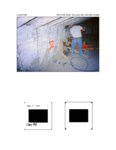
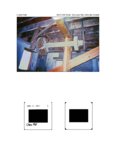
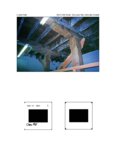
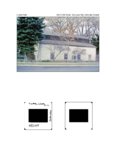
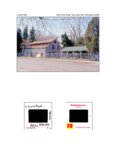
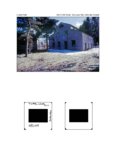
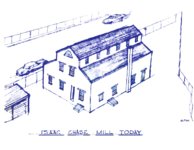
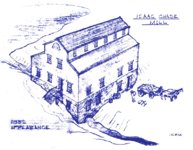
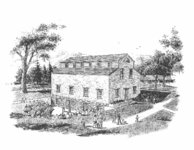
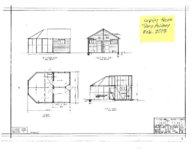
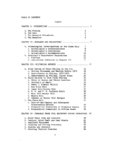
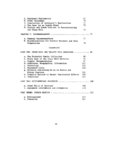
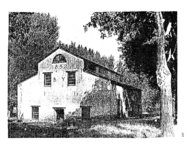
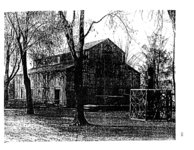
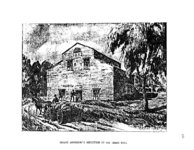
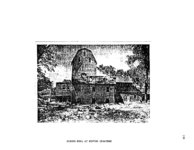
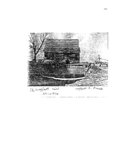
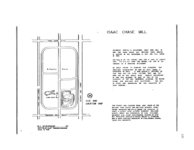
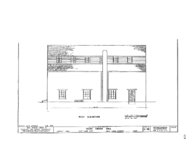
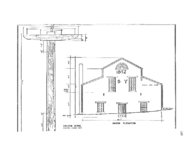
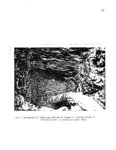
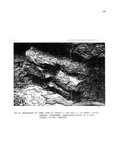
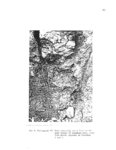
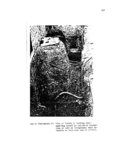
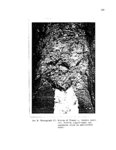
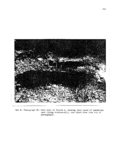
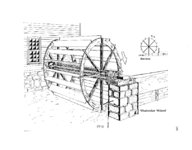
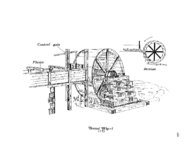
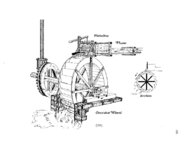
Show 4 B. THE GOALS Using the information gathered from the sources to be covered in this report, we have synthesized all of our available knowledge to create an hypothetical model of the Chase Mill. We realize the difficulty of uncovering facts necessary to complete an authentic mill restoration dating back to a . specific point in time--but suggest that this lack must be admitted in virtually every restoration project. Yet it may still be possible to collect enough data which, when joined with material concerning other period mills (particularly those designed by Frederick Kesler), will allow us to reconstruct a legitimate l850s-period mill having one or more of the following qualities: 1. Fuliy employs the existing phYSical evidence, and other physical evidence which may be forthcoming; 2. Is consistent with the type of mill Kesler built during the period, and will represent, as much as possible, the mechanical systems he would have (and actually may have) employed in the Chase Mill; 3. Represents a mill typically built by the Utah pioneers, evidencing as such the period craftsmanship, technology, design, materials, processes, and so forth, in order to convey an authentic feeling of historicity; 4. Will properly function as a flour mill by actually producing flour and other by-products of wheat and other grains using water-powered machinery. Other goals, as indicated by the Table of Contents, include interpreting the findings, preparing recommendations, and compiling pertinent historical summaries and reference materials in a form which may prove helpful as the project continues. |