| OCR Text |
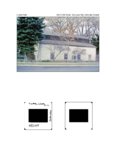
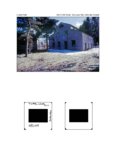
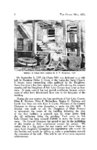
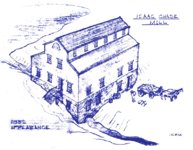
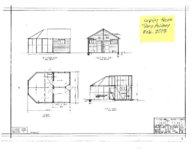
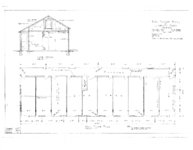
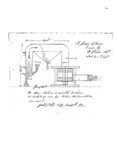
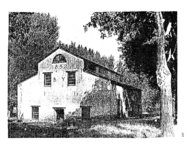
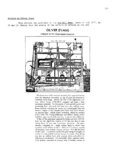
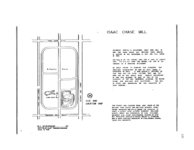
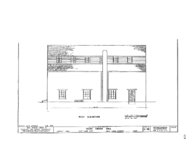
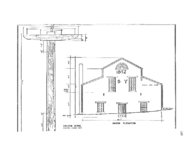
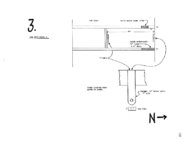
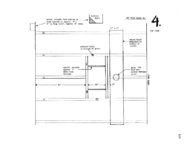
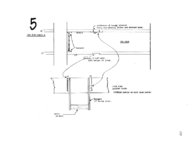
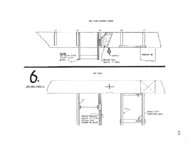
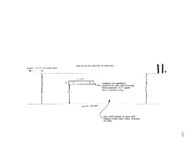
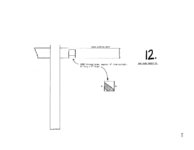
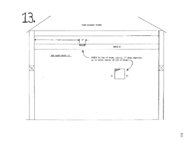
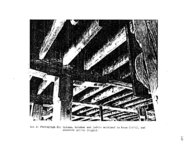
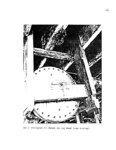
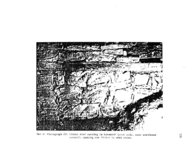
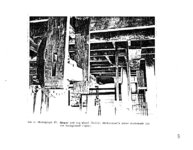
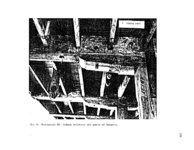
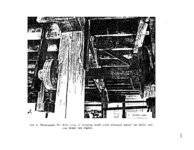
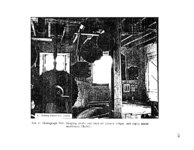
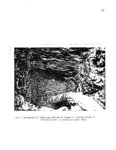
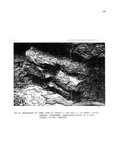
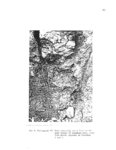
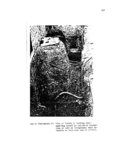
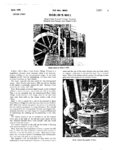
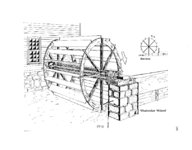
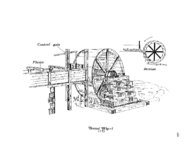
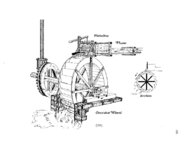
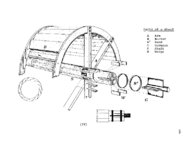
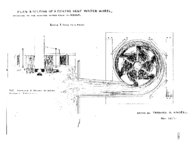
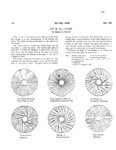
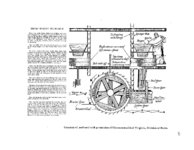
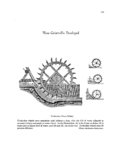
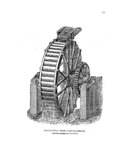
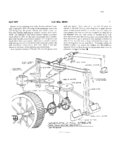
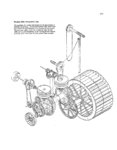
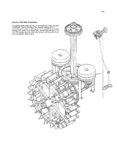
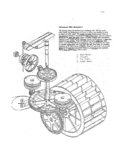
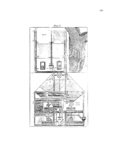
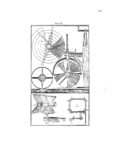
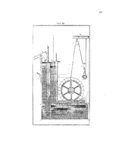
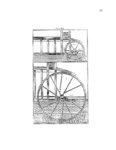
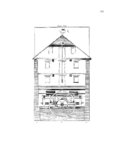
Show 59 the pitch~back point. wheel, water strikes the wheel at or just back of its highest The buckets in the pitch-back wheel were angled opposite from those in an overshot. The end of the flume and the control gate were adapted so that the water fed downward into the buckets in reverse to the stream flow, causing the wheel to revolve in the opposite direction. Behind the wheel was an arc of stone or wood, known as the apron, usually of the same radius as the wheel. The edge of each bucket ran close to this apron to confine the water in it, before the water reached the lowest point of the fall. The water then disch~rged rapidly from the buckets without impeding the upward motion of the wheel. (Like overshot wheels, pitch-backs derive most of their power from the weight of the water in the buckets, but they receive a cert.a in amount of additional impulse from the movement of the water as it comes from the flume. 123 ) Breastshot wheels were constructed along lines similar to overshot and pitch-back wheels, and aprons were frequently used with them as well. In mid- dle and 10w-breastshot wheels, the buckets were deeper, permitting the low head of water to develop power equivalent to a high breastshot wheel. Well designed wheels of this type were very popular and were used in certain mills by Frederick Kesler. Breastshot wheels also combined both the weight and impulse · operat10n. . 124 o f t h e water f or t h e1r Kesler, like Architect Truman O. Angell, was interested in the potential of turbine water wheels. He collected information including advertisements about them. In 1856, for example, he requested that John Bernhisel find or purchase for him a copy of a book by an author named Francis entitled The Construction of Turbine Water Wheels. 125 (See short comment on turbines, page seventy-two.) The shaft of the Chase Mill wheel may have been secured to wooden blocking and wedged into the present opening in the north wall. I I f not, it |