| OCR Text |
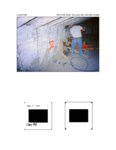
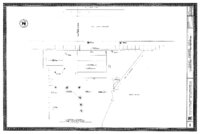
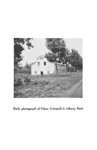
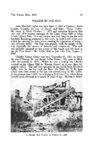
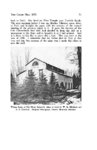
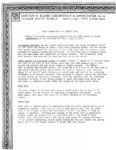
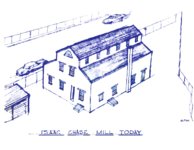
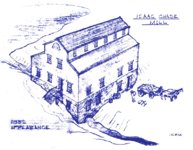
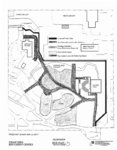
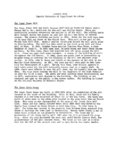
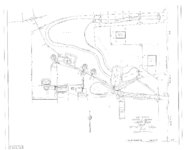
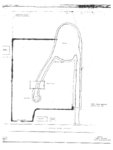
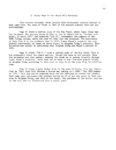
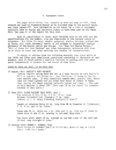
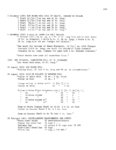
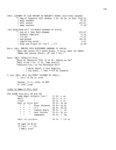
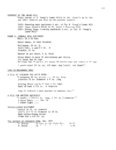
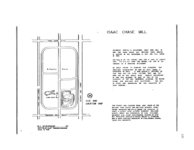
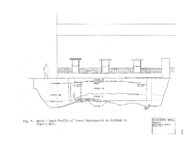
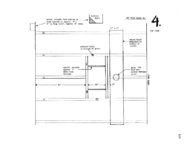
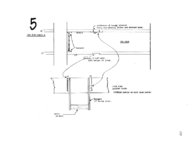
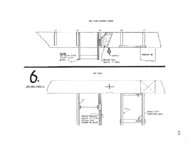
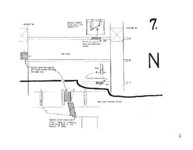
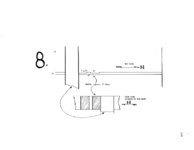
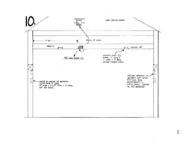
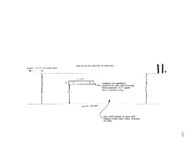
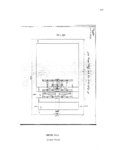
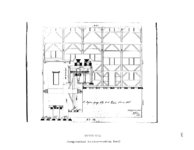
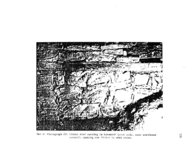
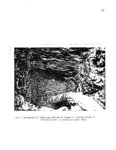
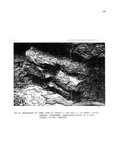
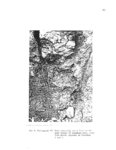
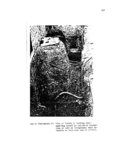
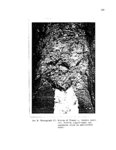
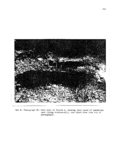
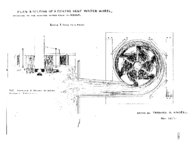
Show 11 B. ARCHITECT'S EXPLORATORY EXCAVATIONS In an attempt to recover further evidence remaining underground outside the mill, we engaged the parks crew at Liberty Park to make several exploratory excavations. Recognizing our lack of archeological training, and the possibility of overlooking features apparent to the more experienced eye, we nevertheless felt convinced that direct and useful information would resu1t from such an effort. An exhaustive archeological investigation exposing the entire terrain would have been preferable, but funding for such an undertaking was not available. Our method, though admittedly primitive, seemed the best opportunity for increasing our base of information. Several trenches were dug around the west, north and northeast sides of the mill. The long trench dug earlier by the archeologists was re-excavated. Our most important findings are summarized below. L Findings a. Trench A; In re-excavating the trench dug in August 1978, we extended it on the north and widened it to the west. The original trench had not been taken far enough north to determine whether or not the "basin" of stone was actually the tailrace for an exterior wheel along the north wall. The flooding of the first trench before clear documentation of its most important features was prevented in our operation by a pump which exposed the bottom of the trench long enough to view, measure and photograph it. From our work in this trench, we found that: (1) The stonework described in the archeologist's report was not exactly as described. Rather than being a bed of "rough hewn blocks ••• cemented together with a very hard white substance," we found a layer of red sandstone rubble, much of which had very jagged edges. Some of the pieces were large and worn, but we did not find cut pieces laid end to end, nor did we find that the stone was cemented in any way. The layer was, as the archeologists reported, lying upon undisturbed earth, some of which was a rather pure grade of gray clay.J |