| OCR Text |
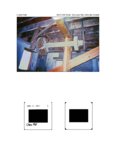
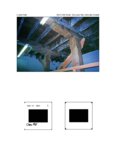
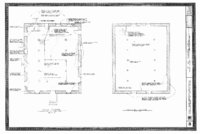
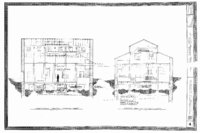
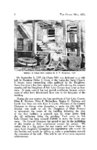
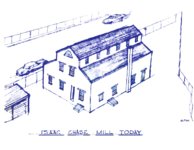
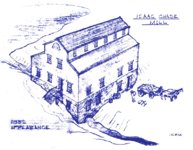
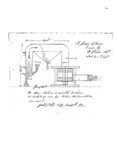
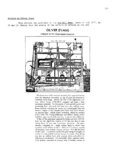
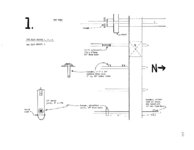
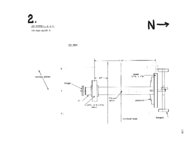
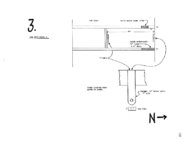
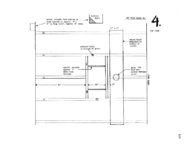
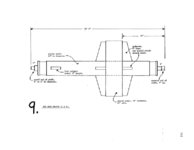
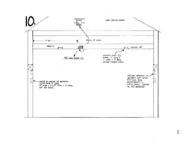
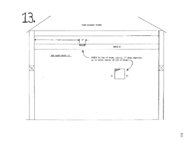
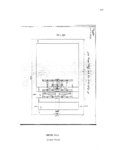
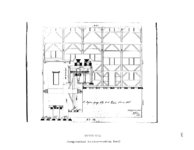
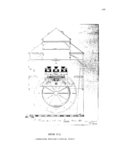
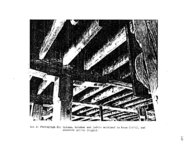
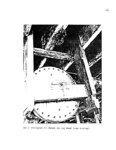
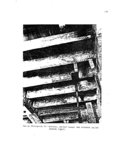
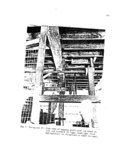
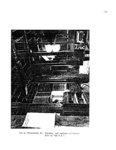
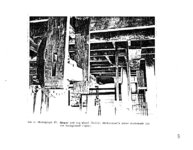
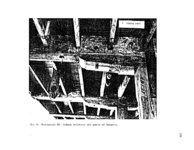
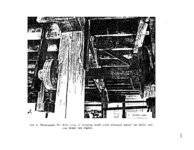
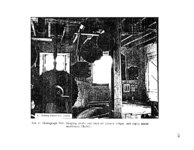
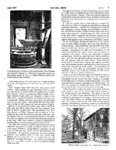
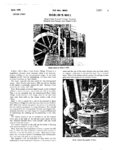
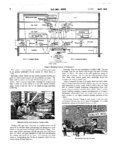
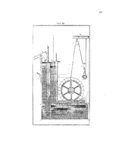
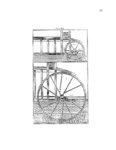
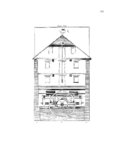
Show 62 metal spindle on the end of the drive shaft would drive the end of another smaller shaft that extended up through the next floor and perhaps into the attic. A stone crane would have been mounted above each set of stones to remove the upper stones for frequent dressings. From the one upper crane pivot still extant, and the holes that may indicate the second one, it appears that the Chase Mill had two or maybe three run of stones, perhaps mounted on the platform at a slight angle with respect to the building. C. AUXILIARY EQUIP}ffiNT At present, the floor joists supporting the second floor show several notches, grooves, hangers and other features which indicate equipment placement. Unfortunately, we need corresponding features on other levels of the building in order to interpret the features we have. Since such evidence has been destroyed, we are sure of the meaning of only a few of these features. Our understanding of the interconnections among equipment and features also remains vague. We do, however, have a fair idea of what basic equipment must have been in the mill, first through surviving signs, and second, by having catalogued the typical equipment used by Kesler in other mills. 131 An explanation of each of the major pieces of equipment can be found in section G. of this chapter. Water-powered flour mills differed widely in the ability to produce refined flour. their equipment. There were also corresponding variations in the complexity of All available evidence, both physical and documentary, suggests that the Chase Mill was comparatively modest and simple, yet probably had all of the improvements featured in the smaller commercial mills designed by Oliver Evans. Of course, the simplicity or the complexity of the Chase Mill varied with the years of its operative period; Certainly the initial mill was a primitive |