| OCR Text |
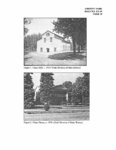
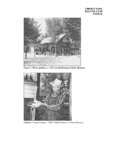
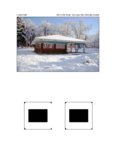
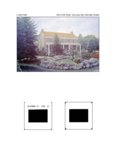
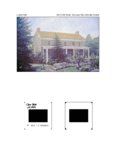
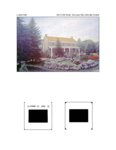
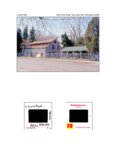
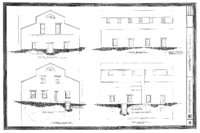
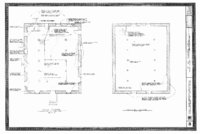
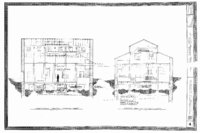
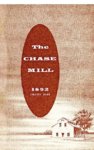
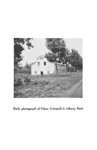
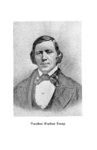
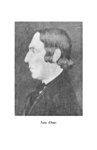
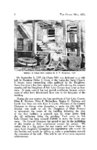
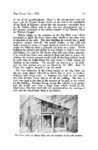
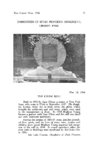
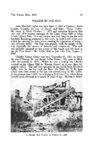
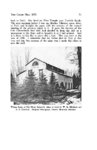
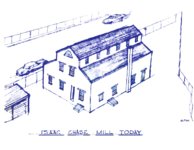
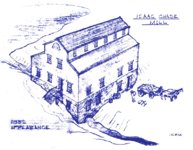
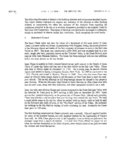
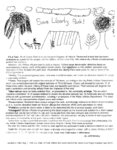
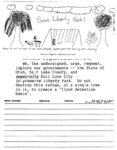
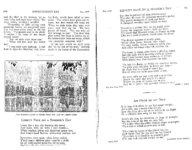
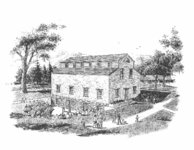
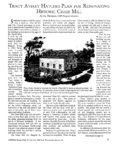
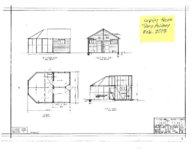
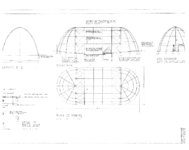
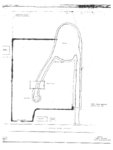
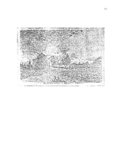
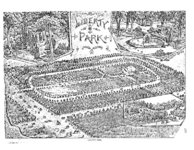
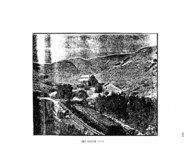
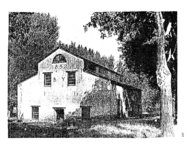
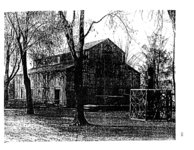
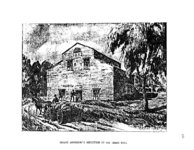
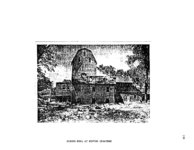
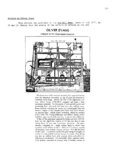
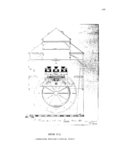
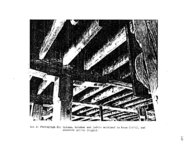
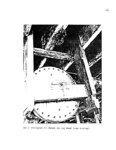
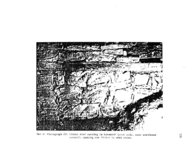
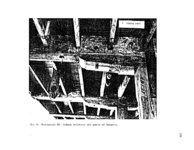
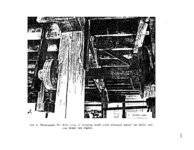
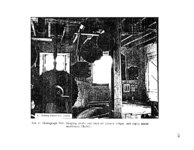
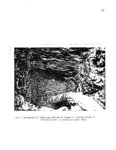
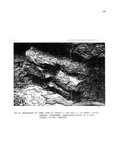
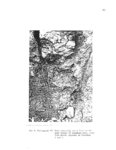
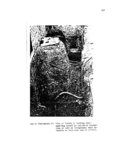
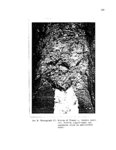
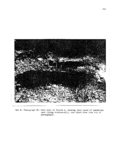
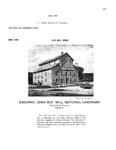
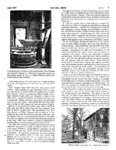
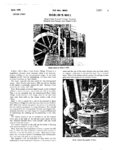
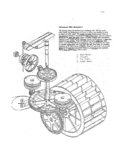
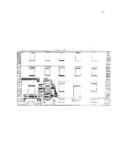
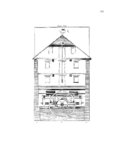
Show 45 Employees of the place--men who had worked on the mill dam and race, and at the grist mill in the days of its activity and usefulness, also came forward with a plea for its preservation, and the sentiment which actuated it was doubtless voiced by many tongues not heard in public utterance. The views of the pioneer's descendents evidenced itself in the first practical step taken for the mill's preservation--a movement whose credit belongs to Mr. Spencer Clawson, who upon noting the proposed action of the council, immediately conferred with members of the committee on public grounds with a view to having proceedings stayed until a petition for sparing the structure could be brought before the council. The request was complied with, and Mr. Clawson had a petition circulated throughout the city which was signed by a number of prominent citizens, voicing a vigorous plea in behalf of the old landmark. Anticipating a possible stumbling block on the question of expense, Mr. Clawson secured the lowest bids for the mill's reconstruction and submitted them to the council at the same time with the two petitions (the second of which came from the State Historical Society). The matter was delayed throughout the winter but was brought before the City Council early in June, and turned over to the committee on public grounds who instructed the city engineer, Mr. Frank Kelsey, to make up specifications as to the necessary reconstruction. This being completed, the matter was referred back to the council with the result that favorable action was taken and instructions were issued to the contractor, A. L. Hamlin, who at once commenced the work of repairing the historic edifice. The old Liberty Park mill, or Brigham Young's mill as it is more familiarly called, was built in l852--Bishop Frederick Kesler being the architect, and Mr. Edward Lavender, John Micksell and Charles Wilckin, the ex-city watermaster, succeeding one another as millers in the institution. The site was at first occupied by a saw-mill belonging to old "Father" Chase, who afterward, in connection with President Brigham Young, put up the present structure, which enjoys the distinction of being the second grist mill builded within the present city limits--that at the mouth of City Creek Canyon, belonging to President Young, being the first. In 1878 the site and other property surrounding the mill, was purchased from the Brigham Young heirs for Liberty Park--the |