| OCR Text |
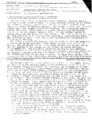
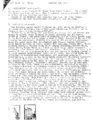
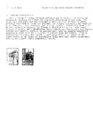
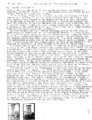
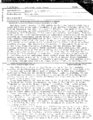
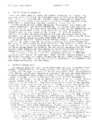
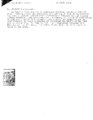
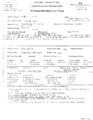
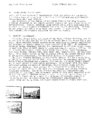
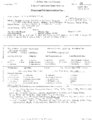
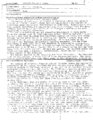
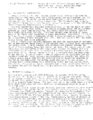
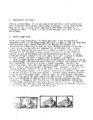
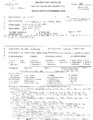
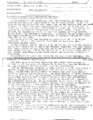
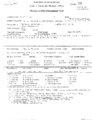
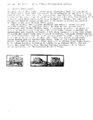
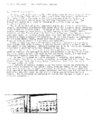
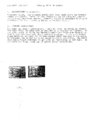
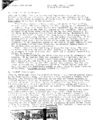
Show South and Rio Grande Denver and Rio Grande 'Railroad Station ARCHITECTURE (continued): style of architecture similar to the exterior, the color scheme being brownish red and. gray for the walls with a deep brown for the ceiling All of this, combined with the green light through the windows, gives the room a dignified quietness. "In the wings of the building at each end of the \vaiting room are provided, all the accessories necessary to every large railroad depot, In one end ore the baggage, express ana parcel rooms, while in the other end are provided everything necessary for the comfort of travelers, including men's smoking room, women's retiring room, restaurant, etc. In the cente of the large waiting room are the ticket offices, news stand, telegraph and telephone offices and other conveniences for the traveling public. "In the second story of the main structure are the railroad companies' offices. "The heating and lighting plants have been located in a separate building at the south end of the property, some 500 feet from the main building. The best of material of the various kinds has been employed in the structure. For the exterior there Is a. marble base of white Colorado-Yule marble five feet high all around the building. The balance of the exterior is in terra, cotta and red New Jersey rain-v/ashed brick. The roofs are of red tile. The building is absolutely fireproof and is treated on the interior with, tile floors throughout and with marble wainscoting, all harmonizing with the general color effect of the differ ent rooms." The above account quite accurately describes the condition of the builclir today. The building is in good structural condition and only minor modifications have been made since 1910, the year of the station's completic The cost of the building was $750,000. As described, the building is long and narrow in plan and consists of a j.rge center section flanked symmetrically by two smaller side wings, The major sections are rectangular in shape and are relieved only by the recessions of detailed areas such as the bays, pilasters and quoins. The hip roof is covered with tiles. Major decorative elements include engaged pilasters of stone with abbreviated Roman entablatures as capitals; stone quoins; large, Romanarched front window bays which are multi-paned, splayed and deeply recessed classical keystones (one with a stone eagle) and stone raedalians; stone ballustra.de across the level of the second floor; Roman entablature style frieze under deep eaves and boxed soffit; dentil bands above frieze; corbeled stone belt course deliniating the level of the second floor; squarv/indow ana doors bays throughout (except three main windows) with decorativ stor.e lintels and frames, and deeply recessed; decorative metal gutters; original wall mounted lamp fixtures. The interior is largely original, although the color scheme has been changed in secondary areas. Reddish-brown marble provides a wainscoting for the other Y/ice plastered, walls. Engaged pilasters appear to support the second, story walkway with a traditional entablature style band making an interior transition between floors* Detailing is classical and included ermd dart motifs, Italianate cartouches and brackets beamed ceilin; and an overall richness through o rn am en t a t io n. |