| OCR Text |
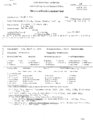
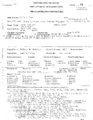
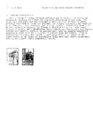
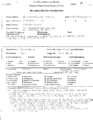
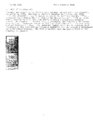
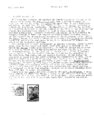
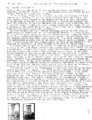
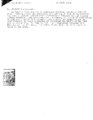
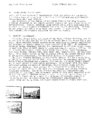
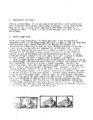
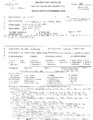
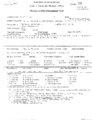
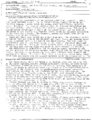
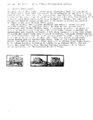
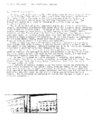
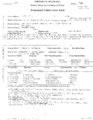
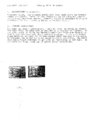
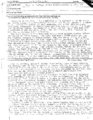
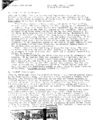
Show Street Address: ^p g n nfh Mnn f Architect/Builder: Richard K. A. Kletting Building Materials: reinforced concrete and steel Building Type/Style: Sullivanesque Architecture Description of physical appearance & significant architectural features: (Include additions, alterations, ancillary structures, and landscaping if applicable) The Mclntyre Building is an eight-story commercial structure built of steel-reinforced poured concrete. A strong vertical emphasis in the facade is created by pre-cast concrete mullions or piers which separate three identical parrels of "Chicago windows." The smaller mullions and spandrels feature cast iron facings filled with concrete. The double-hung windows contain ivire mesh. Form lines showing each concrete pour are entirely exposed on the rear (west) exterior wall. The rear porches consist of cantilevered concrete beams and iron railings. All interior doors, casings, and trim appear to be of fine v/ood but areactually baked enameled metal. The stairways are made of cast iron, again following the requirements of a "fireproof" building. The building retains its original exterior condition with the exception of the facade on the main floor level which has been faced with a dark marble. The cartouches located in the bands between the windows, and on the flat portion of the cornice are all intact, as arethe graphics: !? 19 McINTYRE 09"* The bracketed, projecting cornice is also unchanged. The interior of the Mclntyre Building has recently undergone renovation. Tlie original I-shaped plan with its central corridor and flanking stores and offic.es has been altered only slightly. The main foyer and next four floors, as well as the curbed entry stairway, are faced with Mt. Nebo marble ^(4gh&c&-4rS--«^~^ o n g »r . qu ar r i o d)» Sloroctory windowo- ovor-tho jnoin- ot air way Statement of Historical Significance: Construction Date: 1908-1909 The Mclntyre Building is historically significant in two areas. First, the building is the physical/symbol of the productive commercial career of Utah pioneer William H.Mclntyre, Sr. Secondly, the building was designed by Richard K. A. Kletting, Utah ! s leading early modern architect, and is, aside from the late Dooley Building, 'designed by Louis Sullivan himself, the earliest and best example of Sullivanesque architecture in the state. William H. Mclntyre, Sr., was born in Grimes County, Texas, in 18if8. Ills father, a. Mexican War veteran, died in 18^-9 leaving the mother with tire9 children. Mrs. Mclntyre married a Mormon, a Mr. Moody, who moved the '-.onily to Utah. Here the three brothers grew up and worked as partners in '.x-e cattle business. Their largest success came when they purchased about 000 head of Mexican Longhorris in Texas for S3.75 a. head, and drove them Salt Lake City where they sold for $2*f.00 a. head. The brothers split in the mid~l880s but William continued to pursue ranching interests. invested his profits in the undeveloped Mammoth Mine in the Tintic :.:-.ng District and became wealthy as the mine developed into one of the :-t productive in the state. In 189^ Mclntyre bought a If6,000 acre ranch .Alberta, Canada, which later became famous for its fine horses and ebred Hereford cattle which Mclntyre imported from Wyoming in 1902. In o Mclntyre haddeveloped his financial empire in Utah and Canada to yicient strength to call upon architect Richard K. A. Kletting to design build, the present seven story Mclntyre Building. According to one . * .,'3., Y/hen the building was completed in 1909: "It was the first all reinforced concrete and fireproof building > <= » of the Mississippi River. All of the doors, windows, trim,, etc. made of steel. It is seven stories high and although a hazardous .dertaking at the time it was built, it stands today without a major ;, ru c t u r al crack." |