| OCR Text |
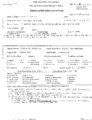
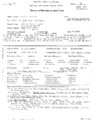
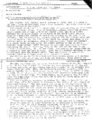
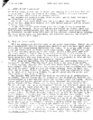
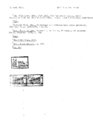
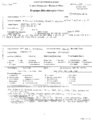
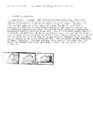
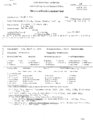
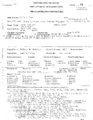
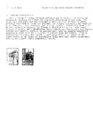
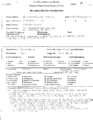
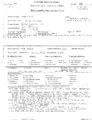
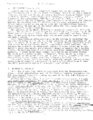
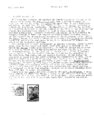
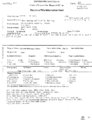
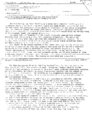
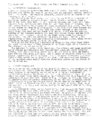
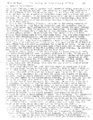
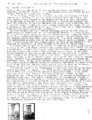
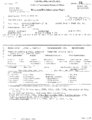
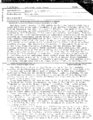
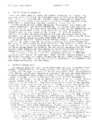
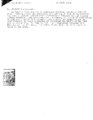
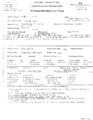
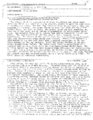
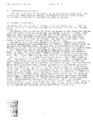
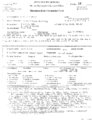
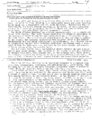
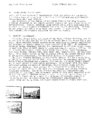
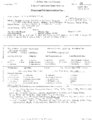
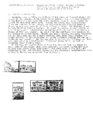
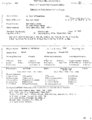
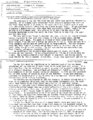
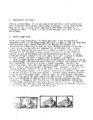
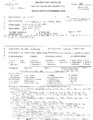
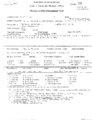
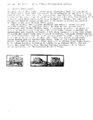
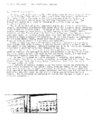
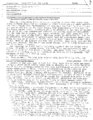
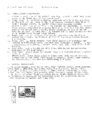
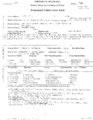
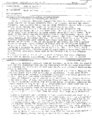
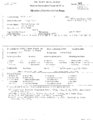
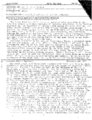
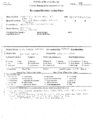
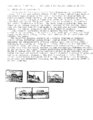
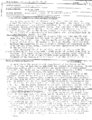
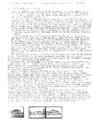
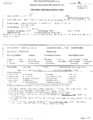
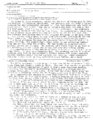
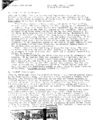
Show Street Address:____20 East 100 South______________________Site No: Architect/Builder: Richard K. A. Kletting Building Materials:______Brick and Sandstone________'_______________ Building Type/Style: Description of physical appearance & significant architectural features: (Include additions, alterations, ancillary structures, and landscaping if applicable) "A journalist of 1880 predicted, 'The Utah Commercial and Saving Bank building will ha.ve the finest front of any building in Utah 1 Of all the business facades of downtown Salt Lake, this one has survived with the leas change." The Utah Commercial and Savings Bank is one of thebest and one of the few remaining examples of Richardsonian Romanesque architecture as applied to the commercial Brownstone architectural style. Constructed in 1890, the building is one of the earliest banking buildings presaged in the State. In addition it represents a successful design accomplishment and shrewd economy in putting three levels of business frontage on a site less than 37 feet wide. The exterior of the bank building is weather worn but it is in good condition. It was sandblasted in about 1969 and was coated with a protective plastic spray. On the interior some plaster has been removed from walls in the basement and on the second level to expose the original sandstone* The rear v/indows have been restored and some worn tile and wooden flooring has been replaced with parkay flooring. Though the interior walls on the main floor have not been altered significantly, the other levels have experienced extensive remodeling. The exterior front wall and foundation arebuilt of red sandstone. The ^^ bft fin rTPArl in _ trar'l fif. Statremetnt .0! Histcrrie .Significance: nf* wnp; fnr> nr ' .1888-189CB The importance of the Utah Commercial and Savings Bank building is related to both the architect, Richard K. A. Kletting, and the founder of the bank, Francis Armstrong, as \vell as to the architecture. Born in Wurttensberg, Germany, in 1858, Richard K. A. Kletting became a. dominant figure in Utah architecture after his arrival in the State in 1883. His important design commissions include the Utah State Capitol building, original Saltair Pavilion, Utah State Hospital at Prove, Mclntyre Building, Felt Building, old University of Utah (now West High School), Deseret News Building, Bell Telephone Building, Jefferson and Whittier schools, old Salt Palace, Enos Wall mansion and several other commercial and residential buildings. He was considered by his peers andf the critics who followed an architect of unusual ability. This opinion is attested to by the fact tha.t most of his projects are still in existence* Francis Armstrong was an energetic entrepreneur who v/as born in England in 1839, came to the United States in 1858 and settled in Utah in 1861. After working for a short time in a flour mill he formed a lumber and general contracting business known as Taylor, Romney and Armstrong Company. Armstrong .served in county government from 1881 until 1886 when he v/as elected Mayor of Salt Lake City. As oneof the originators and president of the Utah Power Company, Armstrong purchased a street railway system from the L.D.S. Church and had it converted to electrical power. Thus Salt Lake City became the first city west of Chicago to have electrically operated street cars, Francis .Armstrong was one of the organizers and the first president of tin Utah Commercial and Savings Bank. He was responsible for commissioning .Richard K. A. Kletting to design the bank building constructed between 1688 and 1890 . |